
 Available in US
Content
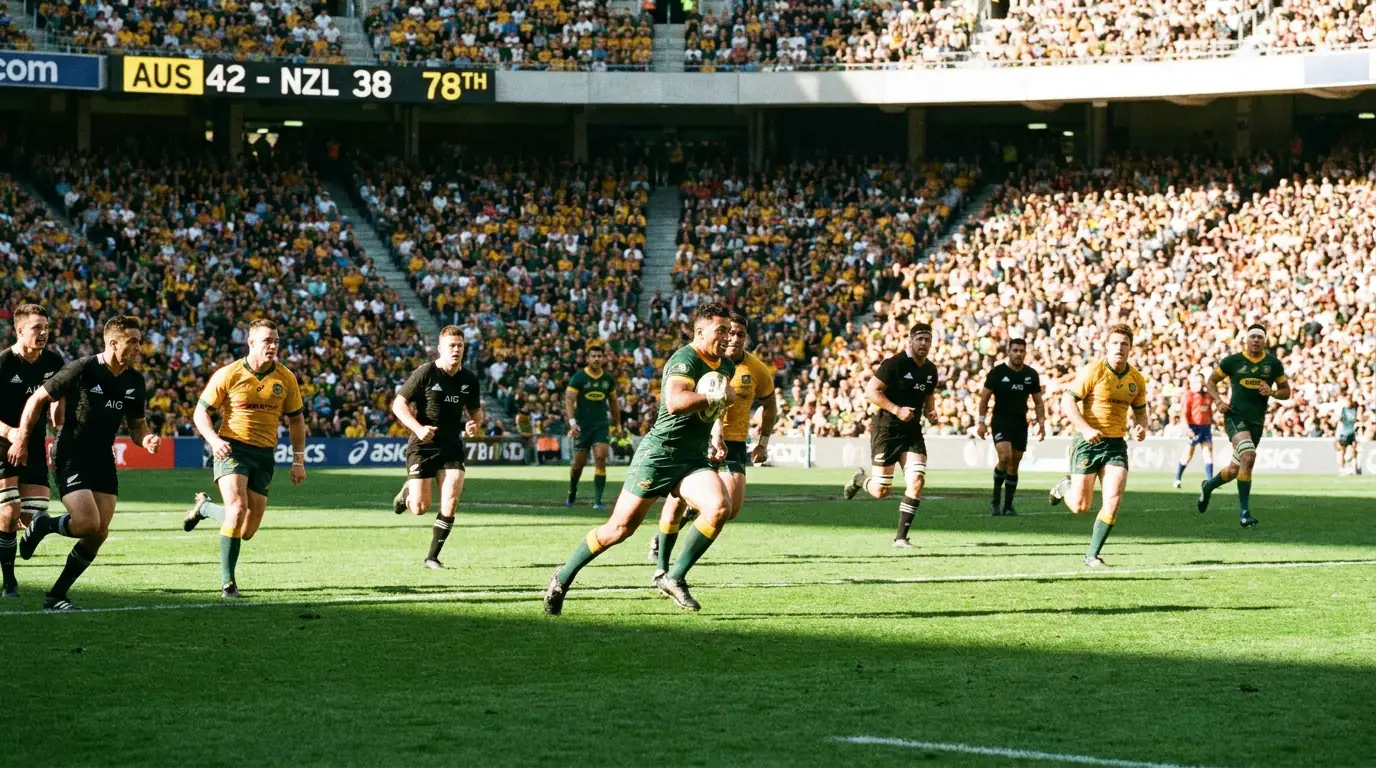
The moment I realised over/under betting was going to become my primary rugby market was during the 2019 Six Nations. Ireland played England at the Aviva Stadium, and the bookmaker had set the total points line at 43.5. I had spent the previous evening calculating the scoring averages for both sides across their last ten Test matches, adjusting for opposition quality and venue, and my number came out at 38. I backed the under, the match finished 26-20 (46 points), and I lost. But the process was right, and over the next three tournaments, that same process delivered a 58% strike rate on totals bets. The losing bet taught me the method; the method paid for itself many times over.
Over/under markets ask a question that the match result cannot: how much scoring will this match produce? In the Six Nations 2025, where the average match produced 55 points across 108 tries in 15 fixtures, the totals market was one of the most active betting products of the entire tournament. That number — 55 points per match — is a starting point, not a destination. The value in over/under betting comes from understanding why any specific match might deviate from the average.
Over/Under Mechanics
The bookmaker sets a line — say, 44.5 total points — and you bet on whether the combined final score of both teams will be over or under that number. The .5 ensures a definitive outcome: no pushes, no void bets. If the final score is 24-21 (45 total), the over wins. If it finishes 20-17 (37 total), the under wins.
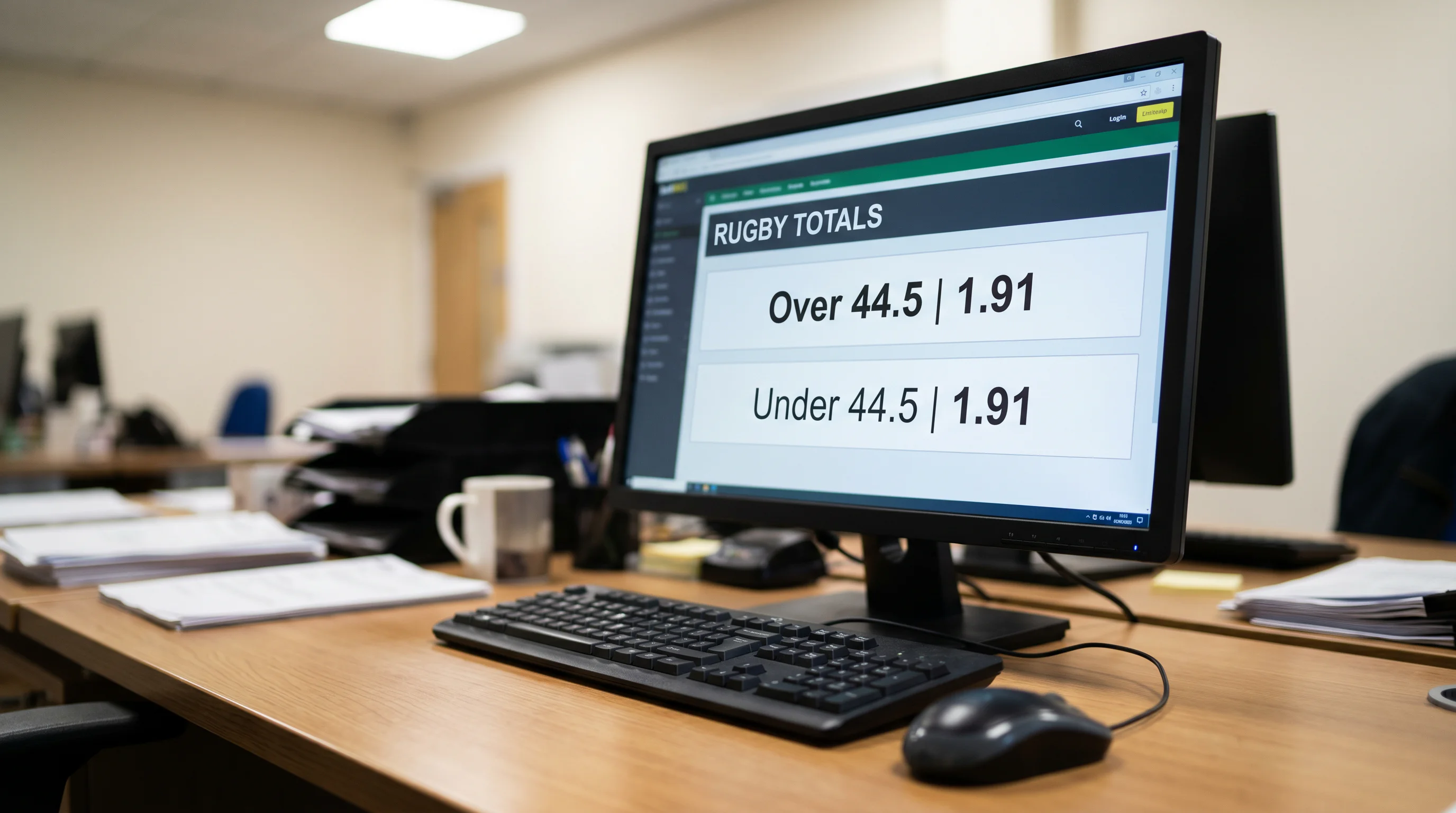
Odds on each side are typically close to even money — around 10/11 or 5/6 — because the bookmaker aims to set the line at a point where money splits roughly equally between over and under. The margin is embedded in the odds rather than the line, which means the line itself is a reasonably accurate reflection of the bookmaker’s expected total. When the line moves pre-match, it is usually because the weight of money has shifted, not because the bookmaker has received new information. Tracking where the line opens and where it settles by kick-off tells you what the market thinks — and whether your own analysis agrees.
Scoring Averages: Building Your Own Line
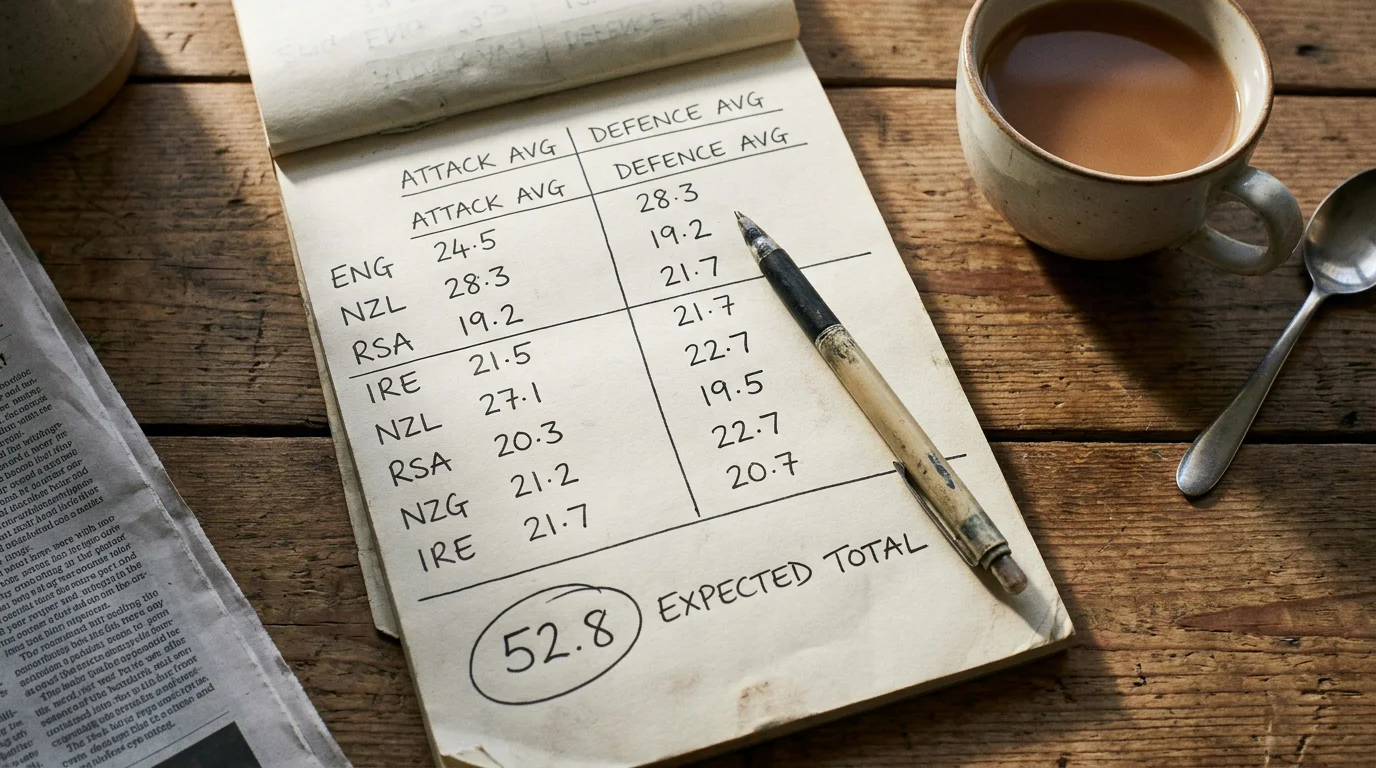
Here is the process I use before every totals bet, and it takes about 20 minutes per match. I start with the attacking and defensive averages for each team across their last six matches in the same competition. The Six Nations 2025 generated some useful baselines: France scored an average of 43.6 points per match (218 across five games), while Italy conceded an average of 37.6 (188 across five). By 2026, the patterns had shifted — 111 tries in 15 matches (7.4 per game) with France winning the championship for a 20th time — but the underlying methodology remains identical.
I calculate two numbers for each match: the expected attack score and the expected defence score for each side. If Team A averages 28 points scored and Team B averages 22 points conceded, Team A’s expected contribution is the midpoint: 25. Repeat for Team B. Add the two expected contributions together and you have a rough expected total. If the bookmaker’s line is three or more points away from my number, I have a bet.
The critical refinement is weighting recent matches more heavily than older ones. A team that scored 35, 28, 30, 40, 15, 20 across six matches is trending downward — the simple average of 28 obscures the fact that recent performance suggests a true average closer to 22. Building a more formal expected points model takes this further, but even a basic recency weighting improves the accuracy of your line meaningfully.
Half and Team Totals
Beyond the match total, most sportsbooks offer first-half totals, second-half totals, and individual team totals. Each market has distinct characteristics that reward different analytical approaches.
First-half totals tend to be lower than second-half totals. Teams are more conservative early on, particularly in Test matches where the coaching staff are still reading the referee’s interpretations and the pack has not yet established scrum and lineout dominance. My data across three Six Nations tournaments shows that roughly 55-58% of tries are scored in the second half, with a pronounced spike in the final 15 minutes when fatigue, substitutions, and the chase for bonus points accelerate scoring.
Team totals isolate one side’s scoring output. These markets are particularly useful when you have a strong view on one team’s attacking threat but are uncertain about their opponent. If you think France will score heavily but are not sure whether their opponents can keep pace, backing France’s team total over is a cleaner bet than backing the match total over, because you are removing the uncertainty of the other side’s contribution.
The practical application I use most often: when two defensively strong sides meet (think South Africa vs Ireland, or Saracens vs Exeter in the Premiership), the first-half under is one of the highest-probability bets in rugby. These teams play territorial, set-piece-oriented rugby that produces minimal scoring in the opening 40 minutes. The bookmaker knows this, so the line is already low — typically 15.5 to 18.5 for a first half — but the under still hits at a rate that justifies the narrow odds.
Factors That Shift the Totals Line
Four variables consistently push rugby scoring totals away from their historical averages, and understanding each of them is what separates a totals bettor from a casual punter.
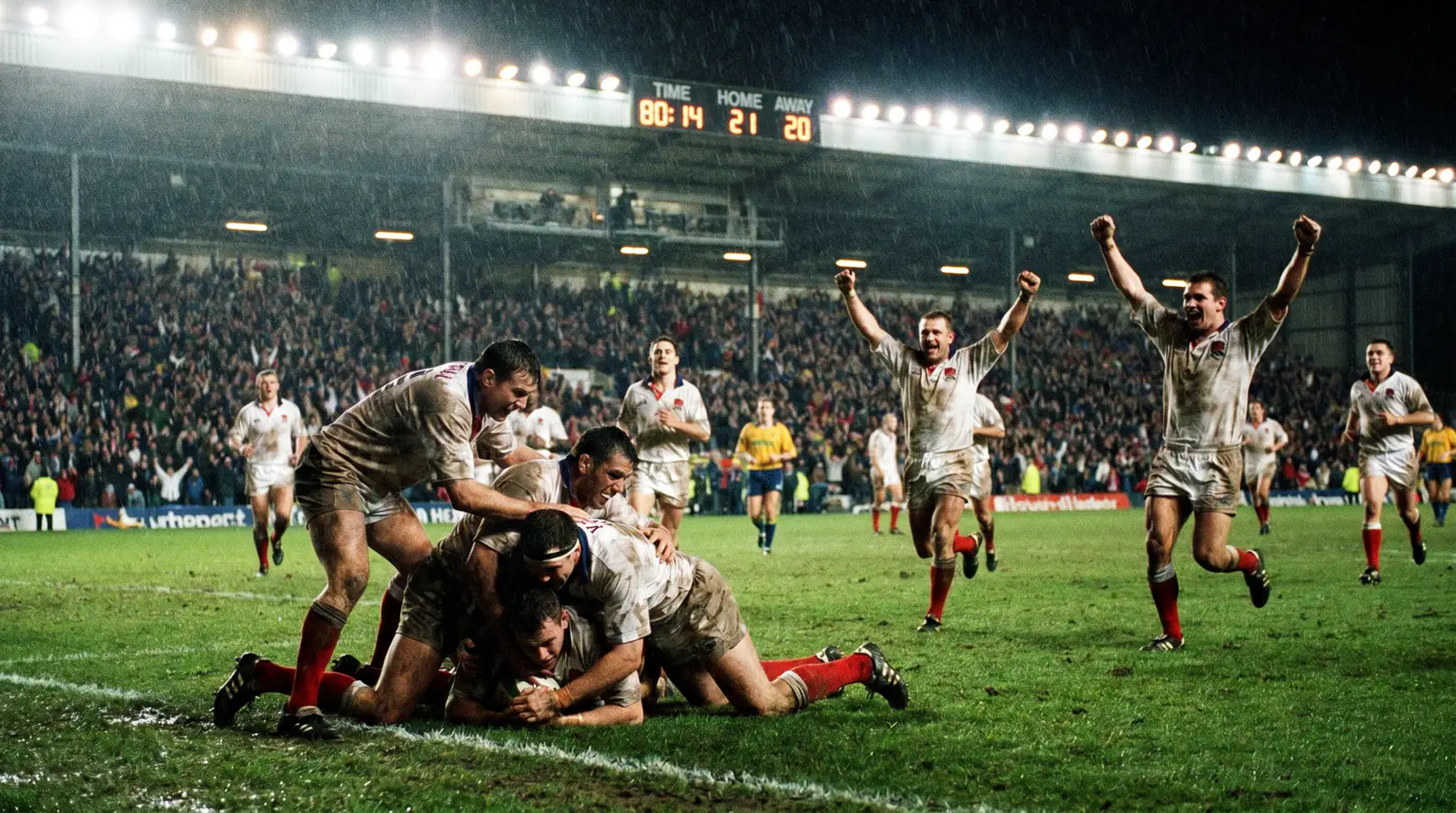
Weather is the most immediate factor. Rain reduces handling quality, suppresses kicking accuracy, and increases the number of scrums (which consume time without producing points). A wet match at Franklin’s Gardens in January will produce fewer points than the same fixture in dry conditions in September. I check the weather forecast within two hours of kick-off and adjust my expected total by three to five points downward for heavy rain and one to two points downward for moderate wind.
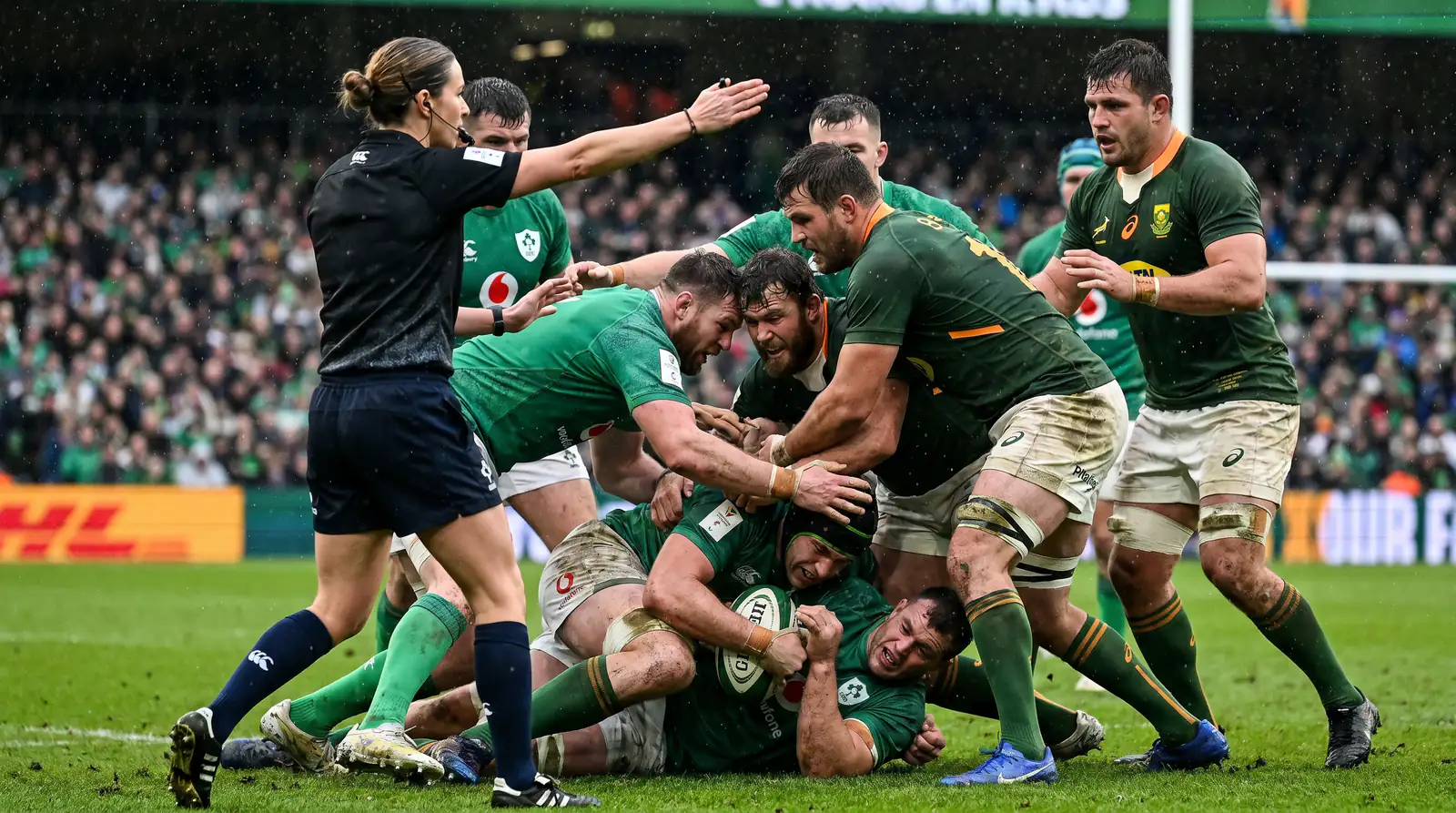
Referee appointment is the second variable. Some referees allow a faster pace of play by minimising stoppages, which produces more scoring opportunities. Others blow more frequently for technical infringements at the breakdown, which interrupts attacking momentum and produces penalties rather than tries. A match officiated by a referee who averages 28 penalties per game will have a lower try count (but potentially higher total points from kicks at goal) than one officiated by a referee who averages 18.
The third factor is squad selection. When both teams name their strongest XV, the over becomes marginally more attractive because attacking quality is at its peak. When one or both sides rotate — common during Premiership weekends when international call-ups are in effect — scoring typically drops because second-string players lack the cohesion to execute attacking patterns at full speed.

Altitude and travel, the fourth variable, matters most in international rugby and tournaments like the URC. A team travelling from sea level to altitude, or crossing multiple time zones, will typically underperform their scoring averages for the first match of a tour. The over/under line rarely adjusts sufficiently for travel fatigue, particularly in the early rounds of a tournament.
What is a typical over/under line for a Six Nations match?
Most Six Nations fixtures in 2025 and 2026 saw lines set between 40.5 and 52.5 total points, depending on the teams involved. The tournament average was 55 points per match in 2025, which means the bookmaker set lines slightly below the actual average to account for the margin. Matches involving Italy tend to carry the highest lines because both sides’ defensive records inflate the expected total.
How do weather conditions shift rugby over/under totals?
Heavy rain typically reduces match totals by five to eight points compared to dry conditions. Wind has a smaller but measurable effect, particularly on kicking accuracy — goal kicks in strong wind miss more frequently, which reduces the total points from penalties and conversions. Checking the weather forecast within two hours of kick-off and comparing it to the conditions assumed by the opening line is one of the simplest edges available in totals betting.
