
 Available in US
Content
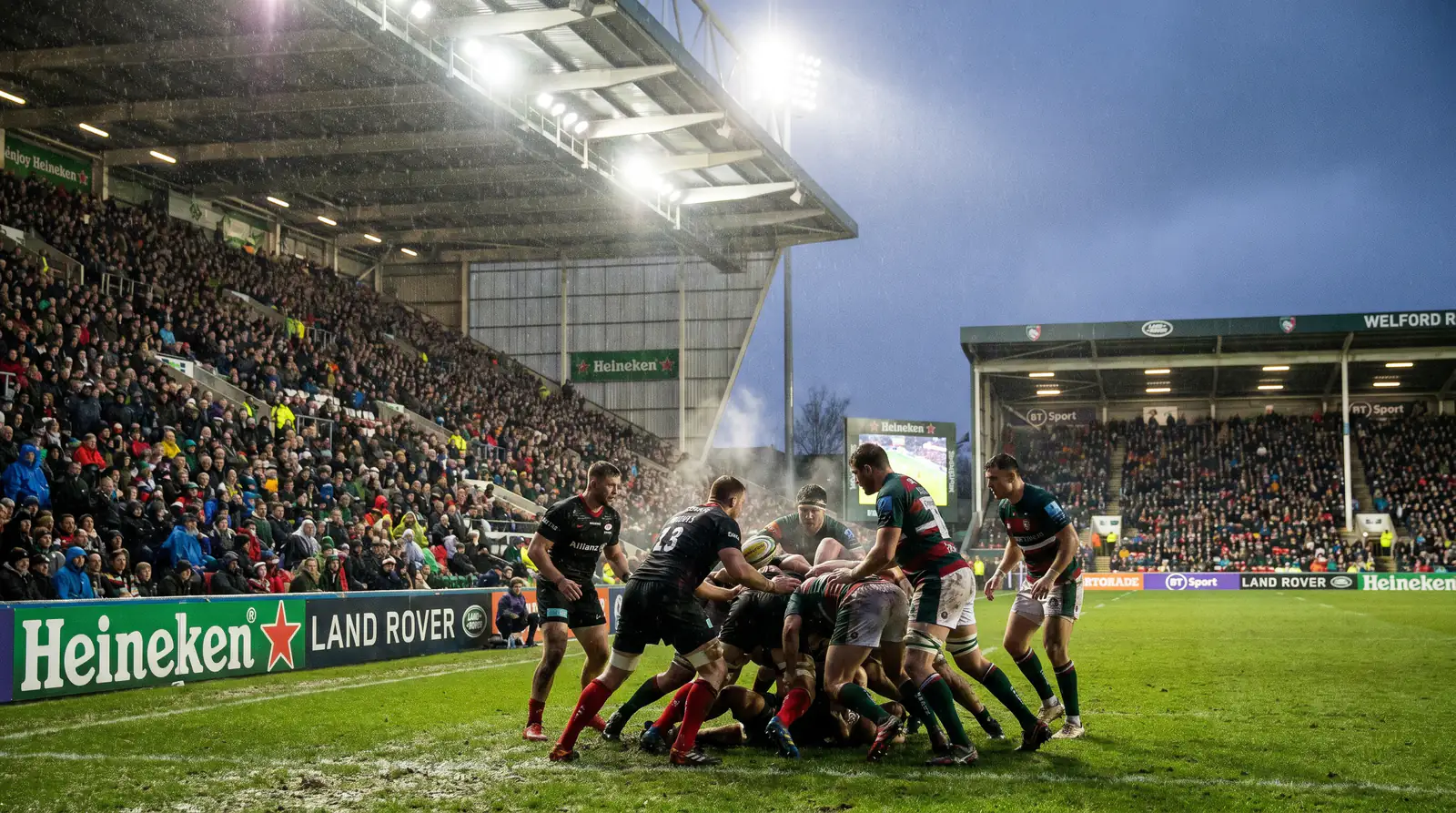
I started tracking Premiership betting patterns seriously during the 2019/20 season, and the first thing that surprised me was how tight the match-result margins were compared to international rugby. In a Six Nations fixture, a 15-point winning margin barely raises an eyebrow. In the Premiership, a 10-point gap can be the difference between first and fifth in the table, and that compressed variance shapes every betting market in the competition. The English Premiership generates approximately GBP 320 million in annual revenue, making it the highest-earning domestic rugby league in the world — and that commercial weight translates into a betting market deep enough to reward dedicated analysts.
League Structure and the Betting Calendar
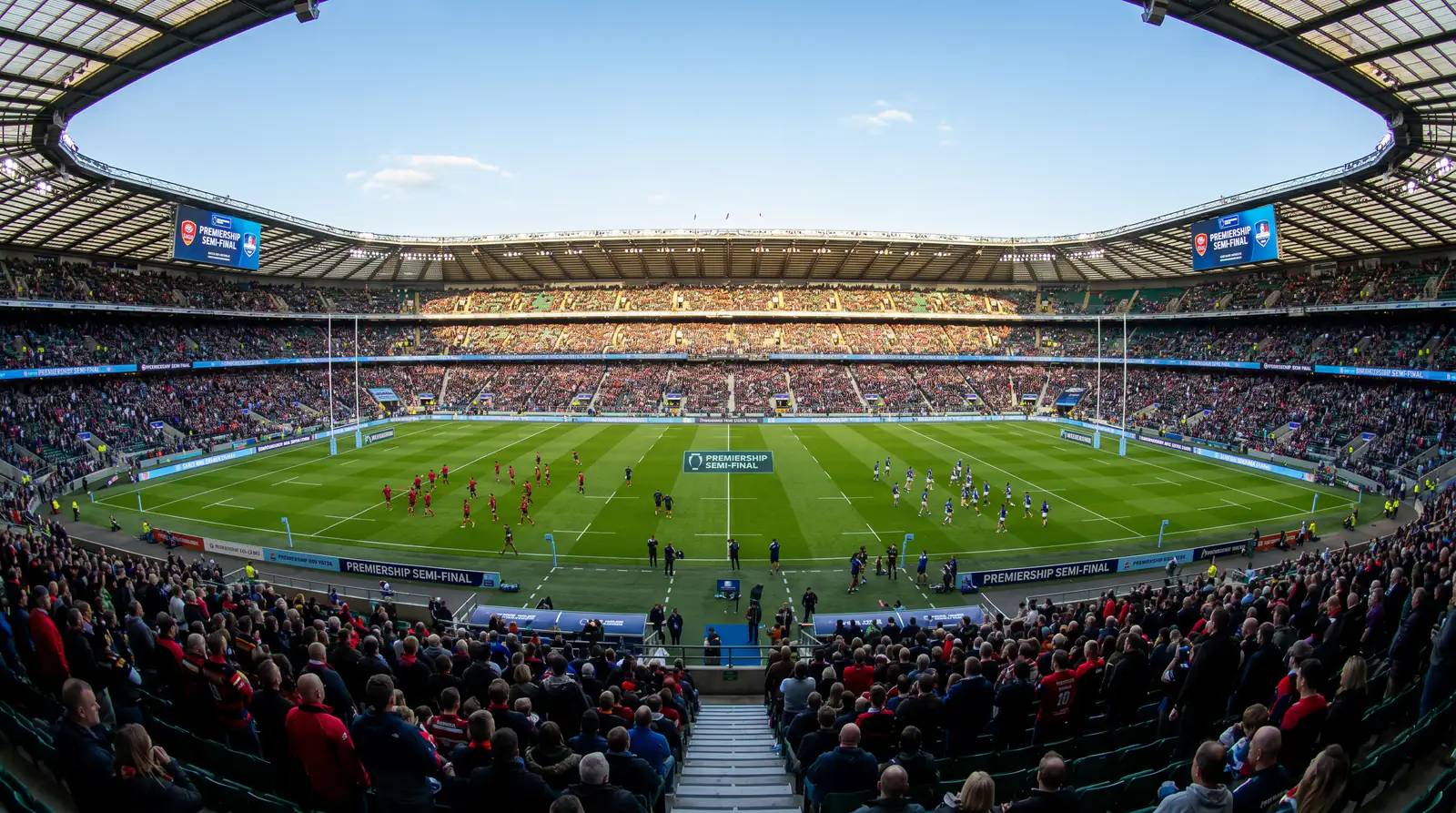
A quick tour of the Premiership format for anyone who has mainly bet on international rugby. The competition runs from September to June, with 10 clubs playing each other home and away across 18 regular-season rounds. The top four qualify for semi-finals, followed by a final at Twickenham. That 10-month schedule creates a volume of fixtures that international windows cannot match — roughly 90 league matches per season before play-offs — and each round offers multiple betting opportunities.
The play-off format is critical for outright betting. Unlike a pure league table where the team with the most points is crowned champion, the Premiership’s semi-final and final structure means that the regular-season leader does not always win the title. A team finishing fourth can beat the top-ranked side in a one-off semi-final, which introduces knockout variance into what is otherwise a season-long competition. Outright odds need to be assessed with that overlay in mind: the best team across 18 rounds is not necessarily the best bet for the title if they tend to underperform in high-pressure one-off fixtures.
Financial Context and Its Betting Implications
Mark Oliver observed that rugby “just isn’t moving fast enough” and that competitors from other sports “have innovated and left them in the rearview mirror.” That commercial pressure is nowhere more visible than in the Premiership’s financial data. The league’s total revenue of approximately GBP 320 million is impressive in isolation, but all 10 clubs recorded a combined loss exceeding GBP 32 million in the financial year ending June 2024. Rugby’s richest domestic league operates at a net loss, and that financial stress manifests on the pitch in ways that directly affect betting markets.
Clubs under financial pressure make squad decisions that prioritise short-term survival. Salary cap constraints (the Premiership operates under a league-mandated cap) mean that mid-table clubs cannot simply buy their way out of trouble. Instead, they rely on academy graduates, short-term loan signings, and squad rotation that varies enormously from week to week. For the bettor, this creates a recurring pattern: the squads that start Rounds 1-5 are often materially different from the squads that finish the season, and bookmakers’ power ratings lag behind these changes.
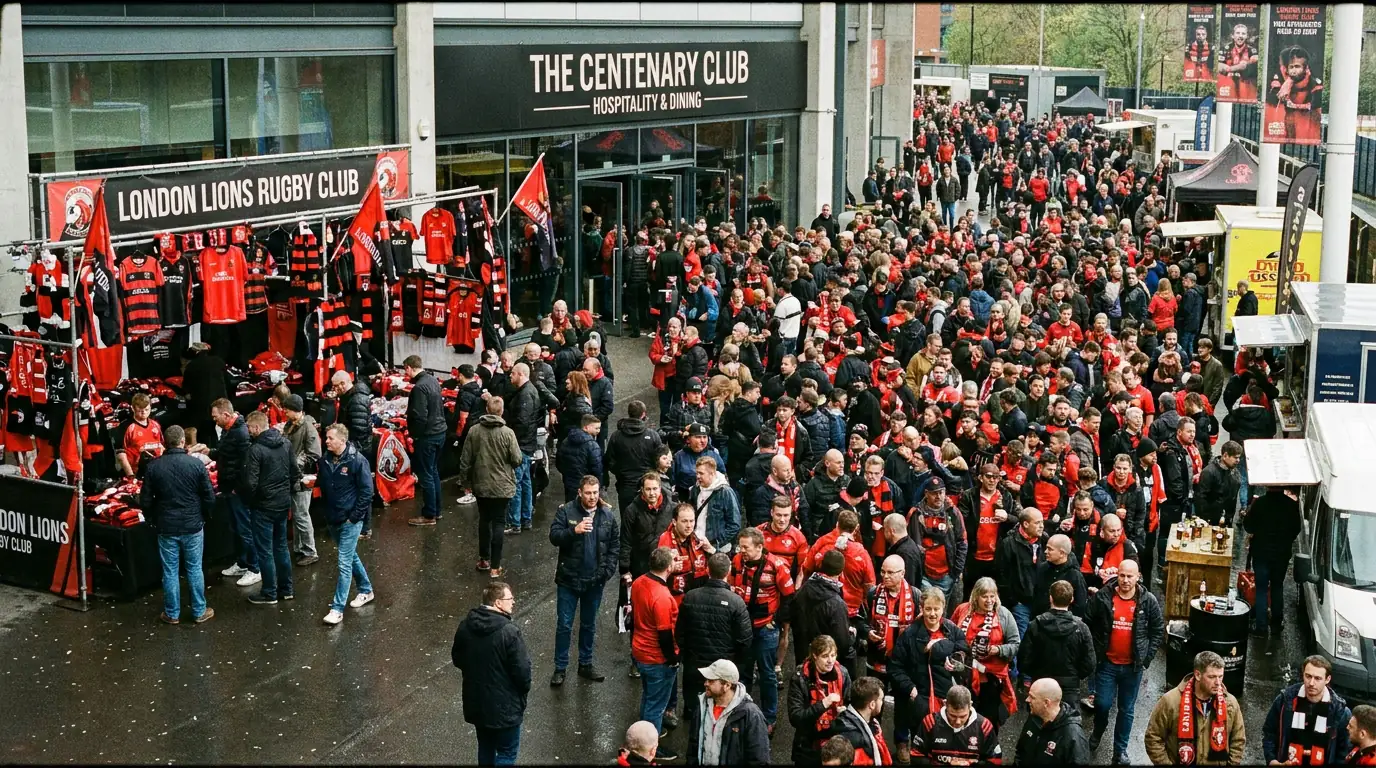
Gambling sponsorship is woven deeply into the Premiership’s commercial fabric. In the 2023/24 season, 11 of the then 13 clubs had a gambling company as a shirt sponsor. The incoming regulation around front-of-shirt gambling branding, which takes effect in the Premier League (football) from the 2026/27 season, is expected to increase scrutiny on rugby’s reliance on gambling revenue in subsequent years. For bettors, the immediate impact is minimal, but the medium-term effect on club finances — and therefore squad investment — is worth monitoring.
Audience Data and Market Depth
The gap between Premiership and international rugby audiences shapes the depth and efficiency of betting markets. Premiership matches draw an average TV audience of 250,000-350,000 viewers per match, compared to over 5 million per Six Nations fixture. That audience differential means less public money flows into Premiership betting markets, which has two consequences for the sharp bettor.
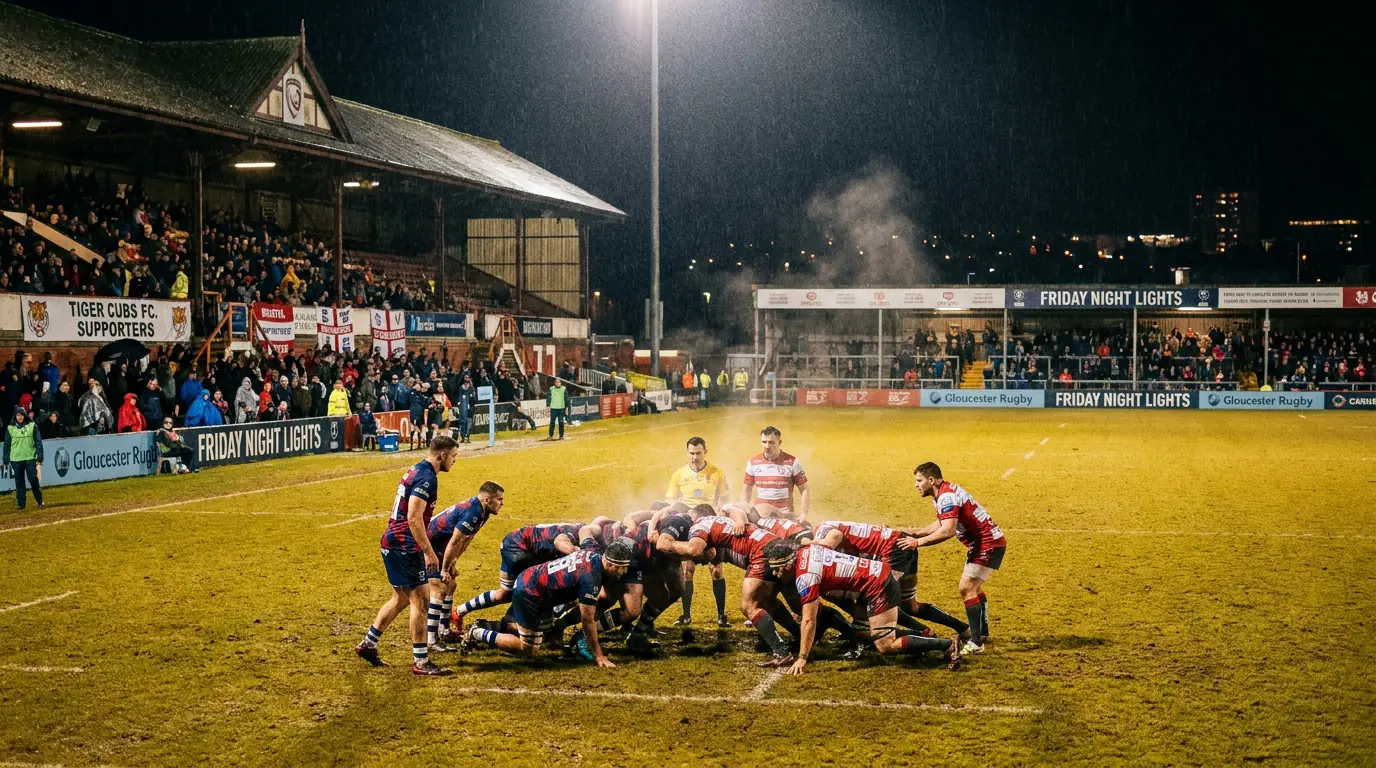
First, odds are less aggressively traded. A Six Nations match attracts enough volume that prices sharpen quickly towards a true implied probability. A Friday-night Premiership match between mid-table sides might have opening odds that barely move before kick-off, because the market is not receiving enough money to force price discovery. If your analysis identifies an edge on a less popular fixture, the price is more likely to still be available when you come to place the bet.
Second, the range of available markets per Premiership match is narrower than for a Six Nations fixture. You will find match result, handicap, over/under and try scorer markets reliably, but prop markets and player-specific specials thin out quickly. Over 800 million people worldwide express some interest in rugby, but the proportion who follow club rugby closely enough to bet on Premiership props is a sliver of that figure — roughly 24 million globally are classified as “superfans” of professional club rugby. That narrow audience limits the sportsbook’s commercial incentive to maintain wide prop coverage.
Key Betting Angles for Premiership Fixtures
Three angles have delivered the most consistent returns in my Premiership betting over the past five seasons.
Squad rotation around international windows is the first and most reliable. When England, or any other national team, calls up players for Six Nations or Autumn Internationals, Premiership clubs lose their best talent for four to six weeks. Matches played during these windows feature diluted squads, and the handicap lines do not always adjust sufficiently. Mid-table clubs with fewer international call-ups often outperform their pre-window power ratings during these rounds, creating systematic value on their handicap and match result odds.

Fixture congestion in the second half of the season is the second angle. European Champions Cup commitments mean that clubs competing on two fronts play matches every four or five days during January-April. Travel, injuries, and physical fatigue accumulate, and clubs that prioritise European rugby frequently rest key players for Premiership matches. Tracking which competition a club prioritises — usually discernible from press conferences and team selections mid-week — tells you whether their Premiership squad will be full-strength or a second-string outfit.
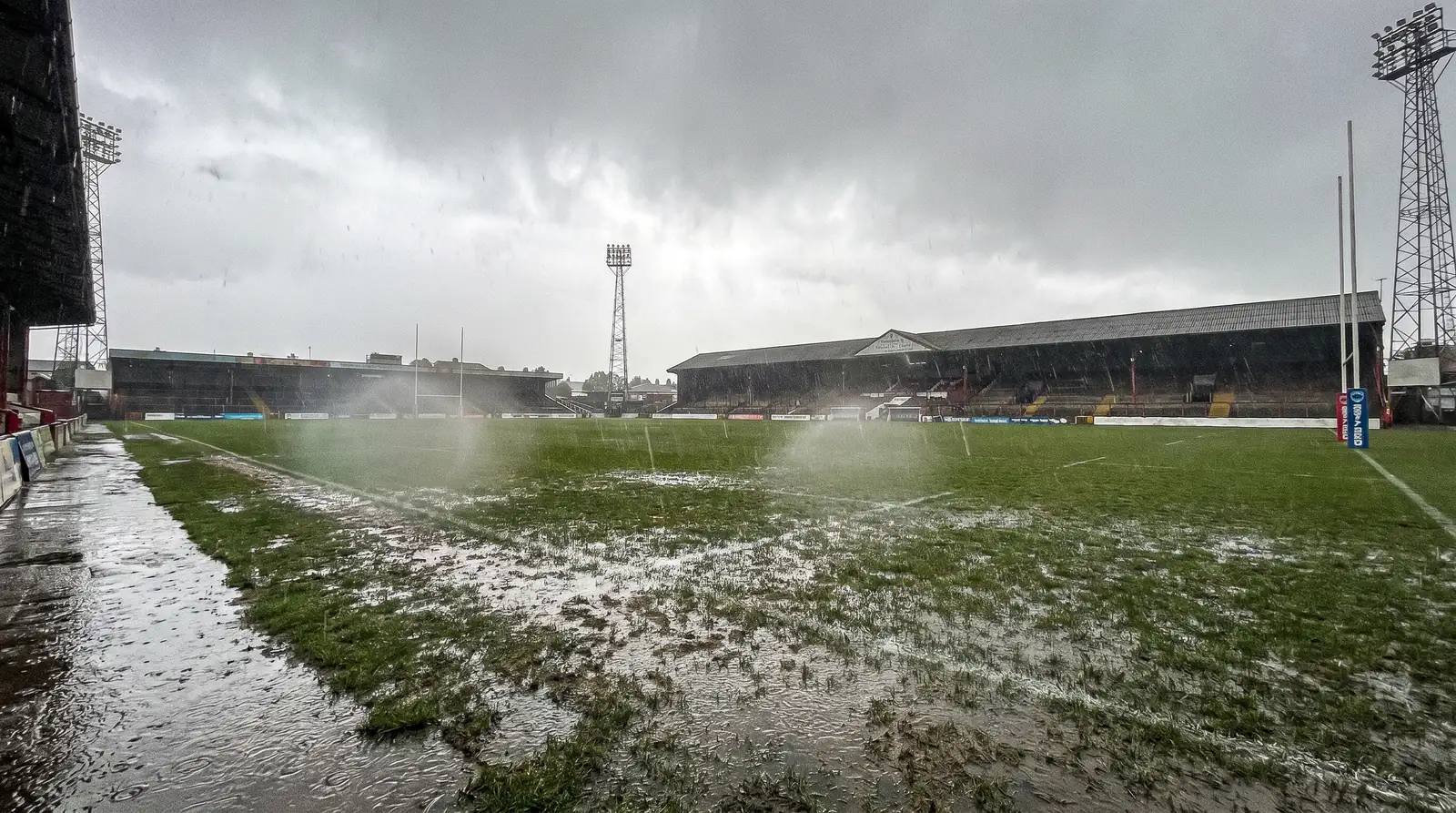
The third angle is weather and venue specifics. Some Premiership grounds — particularly those in the south-west, like Sandy Park (Exeter) or the Recreation Ground (Bath) — are exposed to weather in a way that covered or urban stadiums are not. Wet, cold conditions in January and February suppress scoring, tighten margins, and benefit forward-dominant sides. If you are backing the under on a January fixture at Sandy Park and the forecast shows steady rain, you have the elements working alongside your analysis rather than against it.
How does the Premiership play-off format affect outright betting?
The semi-final and final structure means the regular-season leader does not automatically win the title. A fourth-placed team can beat the first-placed team in a one-off semi-final, which introduces knockout variance. Outright odds should reflect both league form and one-off match reliability. Teams with strong records in high-pressure fixtures are better title bets than teams that accumulate points steadily but falter under knockout conditions.
Why are Premiership match odds typically tighter than international rugby?
Premiership clubs compete under a salary cap, which compresses the talent gap between the strongest and weakest sides. International rugby has no such mechanism, so top-tier nations like New Zealand or South Africa can field dramatically stronger teams than lower-ranked opposition. The tighter margins in the Premiership produce closer match results, which translates into more competitive odds with smaller gaps between favourite and underdog.
