
 Available in US
Content
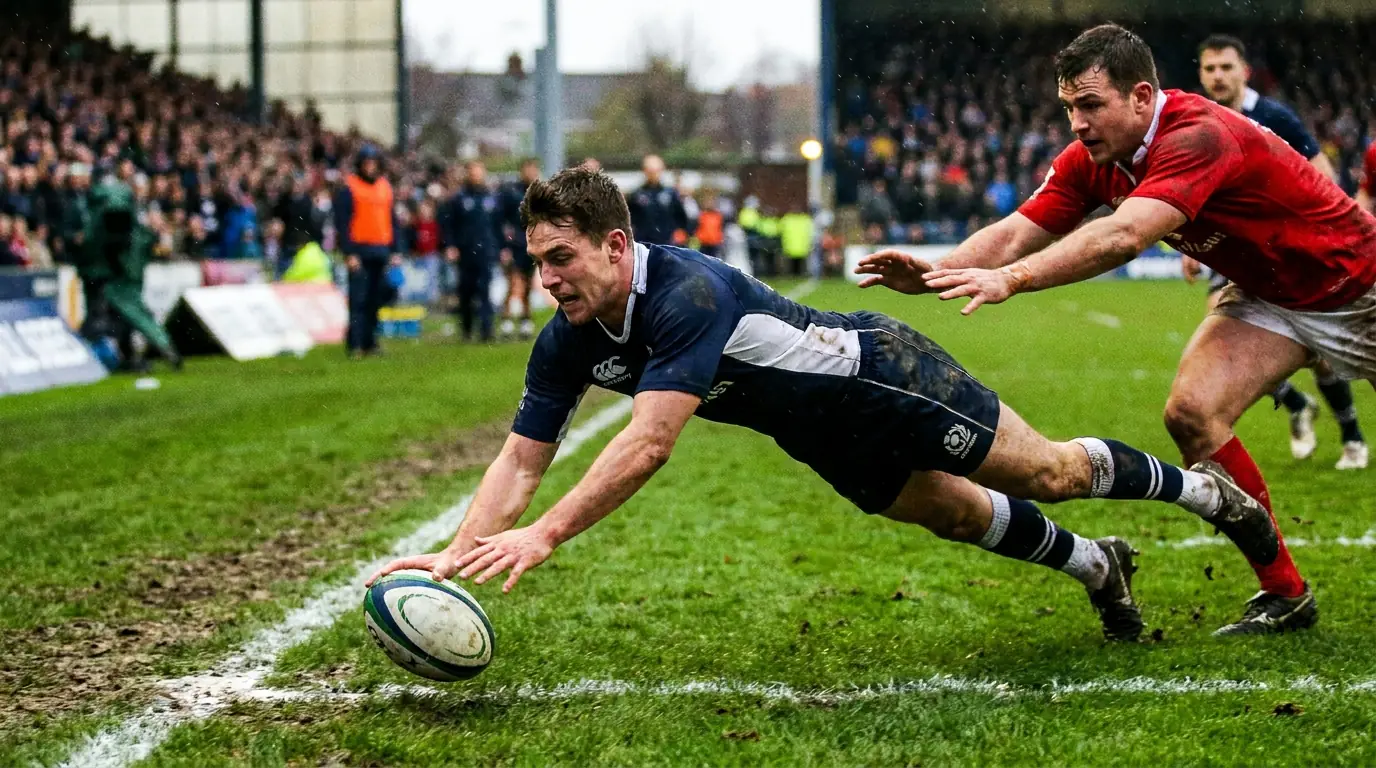
The first try scorer market is the one that makes every rugby fan feel like an analyst. You watch a winger take a crash ball off a set-piece move three weeks running, and suddenly you have an opinion worth backing. I started betting on try scorers during the 2018 Autumn Internationals, and what struck me immediately was how much the market rewards knowledge that casual viewers would never pick up — things like phase-play patterns near the line, how certain teams structure their attacking pods, and which forwards are used as decoy runners versus genuine strike options.
What makes this market different from match result or handicap betting is that you are pricing an individual, not a team outcome. The Six Nations 2025 delivered 108 tries in 15 matches (7.2 per game), which means roughly 3.6 tries per team per match. Distributing those across 15 players creates enough randomness to produce generous odds, but not so much randomness that informed selection becomes pointless. The balance between predictability and variance is precisely what makes this market interesting.
Market Variants: First, Last and Anytime
I once watched a punter celebrate a “first try scorer” bet only to realise he had actually backed “anytime” — a fortunate mistake that time, but one that illustrates why understanding the three variants matters.
First try scorer pays out only if your selected player crosses the line before anyone else in the match. The odds are the highest of the three variants because you are betting on sequence, not just occurrence. Last try scorer works identically but in reverse — your player must score the final try of the match. Anytime try scorer is the broadest: your player needs to score at least once at any point, regardless of order. The Six Nations 2025 saw matches averaging over seven tries, so the anytime market gave a roughly 24% chance per try (assuming even distribution across a starting XV) that any given starter would cross the line at least once.

First try scorer odds for a wing or outside centre typically sit between 5/1 and 10/1, while anytime try scorer odds for the same player might be 2/1 to 7/2. The gap reflects the difficulty of sequencing. I tend to use first try scorer sparingly — perhaps one bet per round during a tournament — and lean more heavily on anytime for my regular selections, where the probability is higher and the analytical edge easier to quantify.
Position Analysis: Where Tries Come From
The single biggest mistake in try scorer betting is treating all positions equally. They are not even close. Back three players (wings and full-back) score the majority of tries in professional rugby, and data from Premiership fixtures confirms this year after year. During the Six Nations 2025, France’s total of 218 points was built on a backline that finished roughly 70% of the team’s tries — wings and centres accounted for the lion’s share.
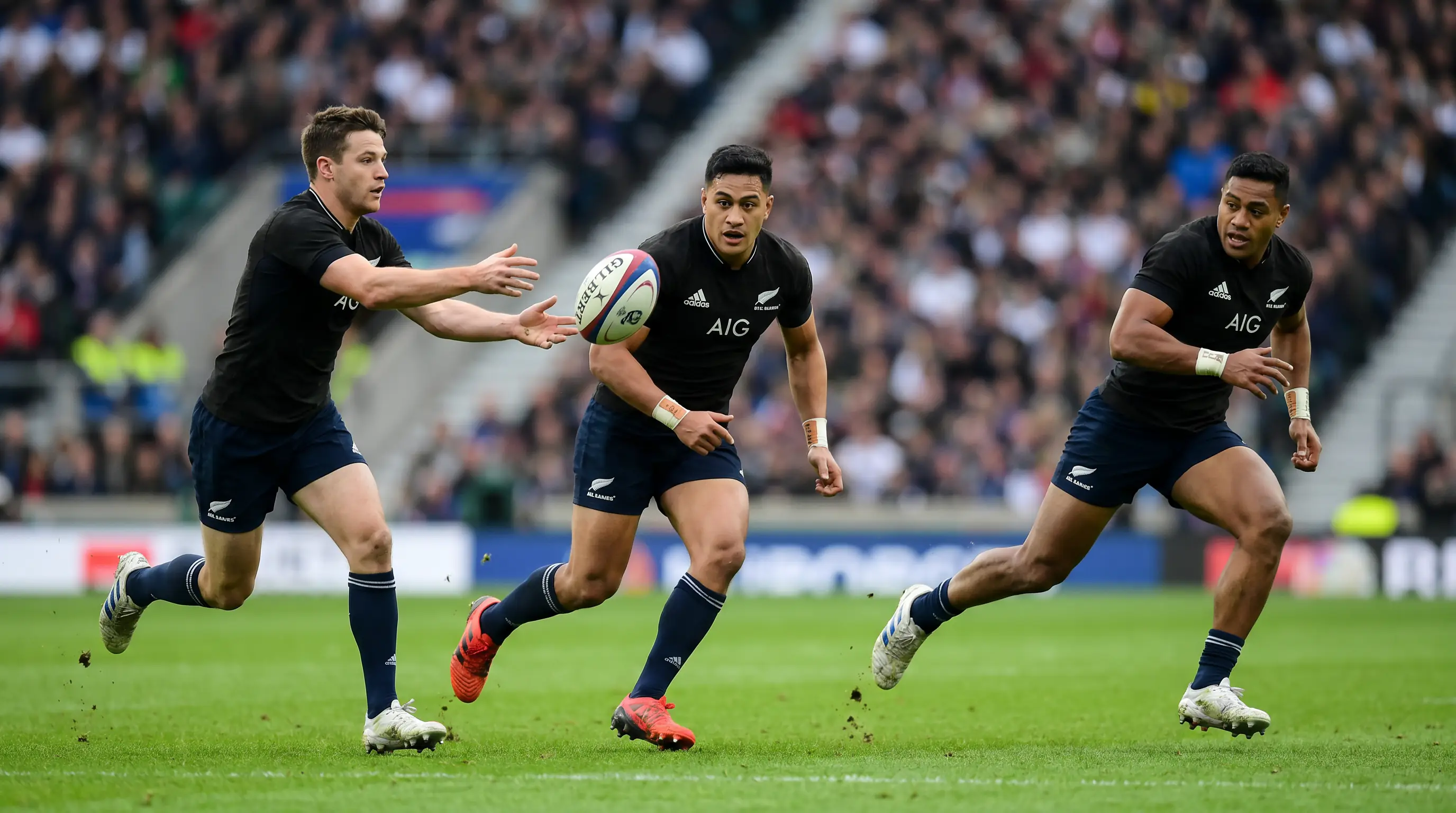
But here is where the market gets interesting: bookmakers know this too. The odds on a starting wing to score first are compressed because the market is efficient for obvious candidates. The edge tends to sit with players whose try-scoring threat is underpriced — and that often means back-row forwards. Number eights and flankers who play a carrying role close to the try line are underrepresented in the market because the general betting public gravitates towards backs.
There is a positional hierarchy that I have tracked across multiple Six Nations and Premiership campaigns. Wings score the most tries per appearance. Full-backs score slightly fewer but are often underpriced because they enter the line from deep and are harder for the market to anticipate. Outside centres are the most volatile — their try-scoring output depends enormously on the team’s attacking structure. And props almost never score, but when they do, the odds are astronomical — 33/1 or higher — and usually involve a driving maul from a lineout. I have never successfully predicted a prop try, and I have stopped trying.
Data Points That Drive Selection
Gut instinct accounts for roughly half of the try scorer bets I see placed in pubs on match day. The other half is based on a player’s reputation from two seasons ago. Neither approach works consistently. The data points that actually correlate with try-scoring likelihood are more specific than most people realise.
Start with phase-play involvement near the try line. Some players carry the ball ten times per match but almost never inside the opposition 22. Others might only touch the ball six times, but four of those touches come within five metres of the line. The second player is far more likely to score, and that information is available in detailed match reports. Try-scoring frequency over the current season is more predictive than career stats, because roles change — a winger who has been used primarily as a kicking option under one coach might become a primary finisher under another.

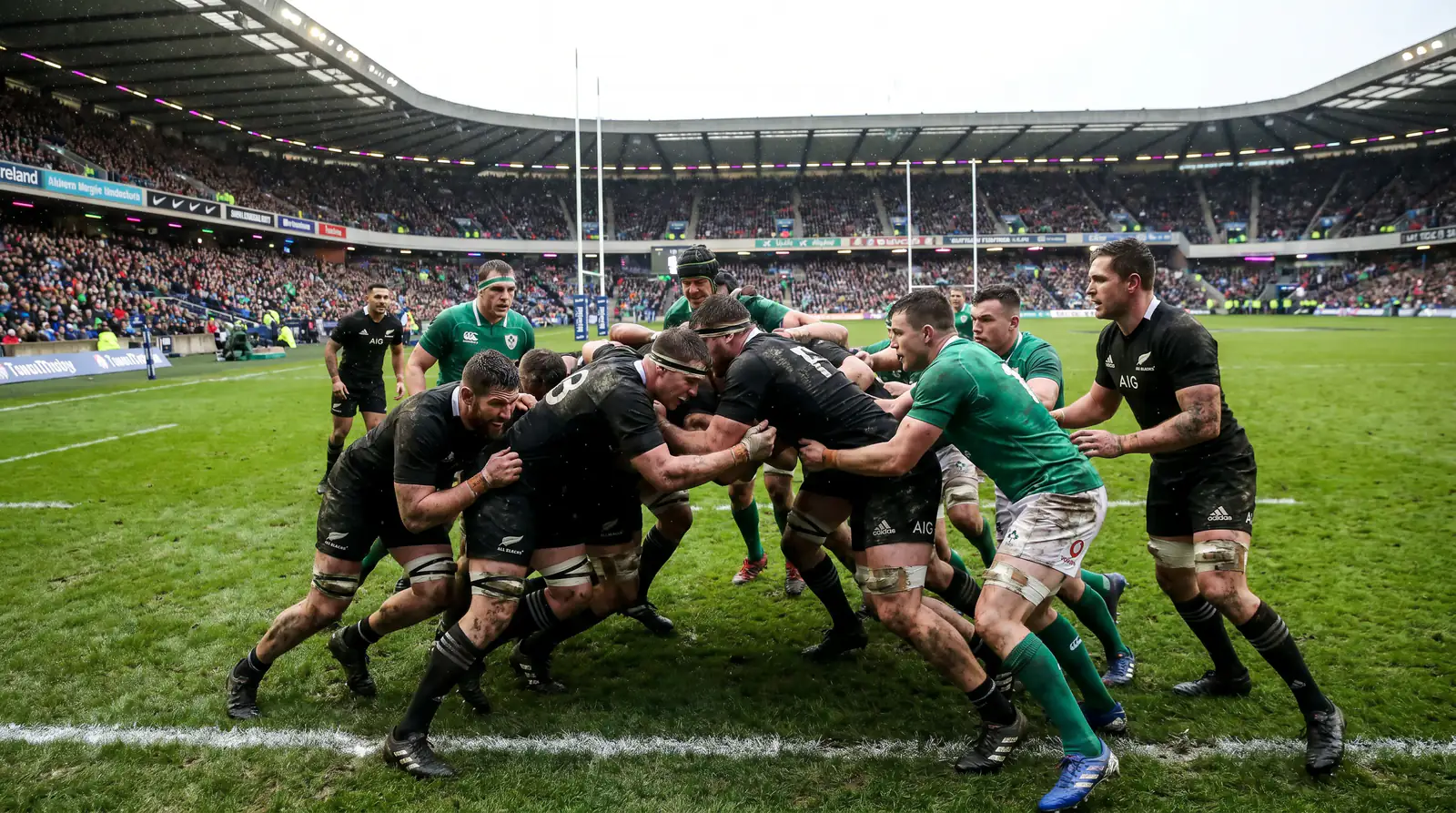
Set-piece tendencies matter enormously. Teams that favour driving mauls from lineouts near the line will score a disproportionate number of forward tries. Teams that spread the ball wide from first phase tend to produce back-three finishes. Watch two or three recent matches and note what happens from lineouts inside the 22: where does the ball go? If the answer is “straight into a maul,” then your first try scorer pick should probably be a hooker or number eight.
Finding Pricing Edges in Player Markets
Try scorer markets have wider margins than match result or handicap, which means the bookmaker takes a bigger cut. The overround on a first try scorer market can exceed 150%, compared to 105-110% on a two-way handicap. That sounds discouraging, but it also means the prices are less precisely calibrated — and imprecision creates opportunity.
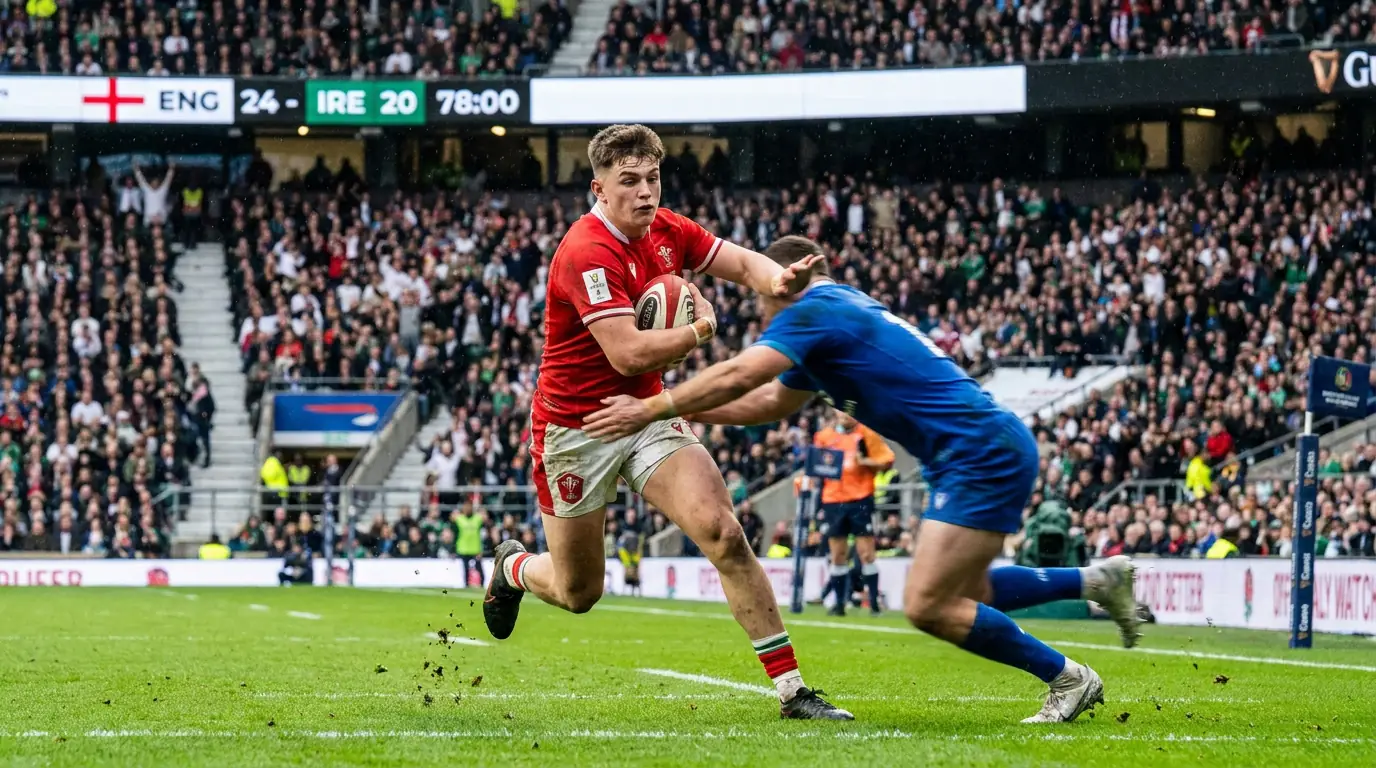
The most consistent pricing edge I have found is in tournament contexts where bookmakers anchor too heavily on overall reputation. At the start of a Six Nations, the odds on established names — the player who topped the try-scoring charts the previous year — tend to be shorter than they should be, while emerging players or those who have changed role during the off-season are priced too generously. By Round 3, the market corrects as the tournament’s own data takes over, but Rounds 1 and 2 regularly offer value on under-the-radar selections.
Another edge: matches with expected high totals produce more tries, which mechanically increases the probability of any given player scoring. If the over/under line on total points is set above 50, the anytime market becomes more attractive because there are simply more tries available. Cross-referencing the totals market with your try scorer selection is a simple step that a surprising number of punters skip. The average Six Nations match in 2025 delivered 55 points — well above typical Premiership match totals — and that elevated baseline made anytime try scorer bets the most reliable market of the tournament for me.
Does a penalty try count for try scorer bets?
In most cases, no. A penalty try is awarded to the team rather than to a specific player, so it does not settle first, last, or anytime try scorer bets. Some bookmakers have slightly different rules, so checking the market-specific terms before placing the bet is worth the 30 seconds it takes. If a penalty try is the only try in the match, all try scorer bets are typically settled as losers.
How do substitutions affect anytime try scorer markets?
If your selected player is substituted before scoring, the bet loses — there is no refund for reduced playing time. This is why backing players who are likely to play the full 80 minutes is a consideration. Forwards who are typically replaced around the 55-60 minute mark carry more substitution risk than backs who tend to stay on for longer, though this varies by team and competition.
