
 Available in US
Content
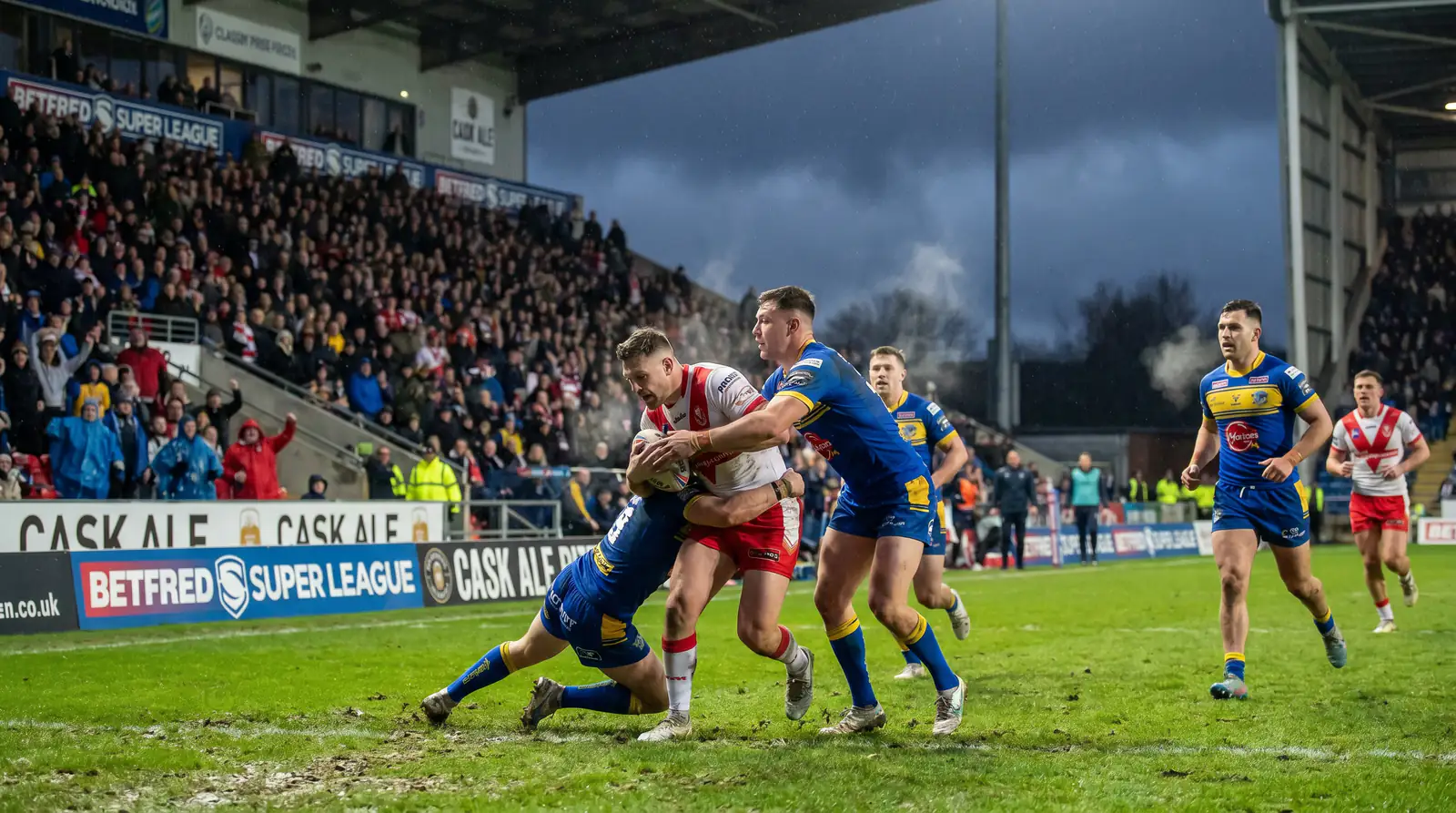
My introduction to Super League betting was a Thursday night match between St Helens and Warrington in 2020. I applied my union analytical framework — recent form, home advantage, scoring averages — and backed the under on total points. St Helens won 34-18, comfortably clearing the line. League scoring was faster, more frequent, and more predictable than I had anticipated, and the totals market operated on a baseline I had completely miscalibrated. That match cost me GBP 20 and saved me hundreds, because it forced me to build a separate model for league before placing another bet.
Super League is the top-tier professional rugby league competition in the UK, and while it shares the word “rugby” with union, the betting dynamics are sufficiently distinct to require their own analytical approach. Media rights account for over 40% of rugby league revenue, followed by sponsorship and advertising, and that commercial structure shapes everything from fixture scheduling to market coverage.
Competition Structure
Super League runs from February to October, with 12 teams playing 27 regular-season rounds (each team meets every other team at least twice, with some fixtures repeated for a third time in “loop” fixtures). The top six qualify for the play-offs, which culminate in the Grand Final at Old Trafford.
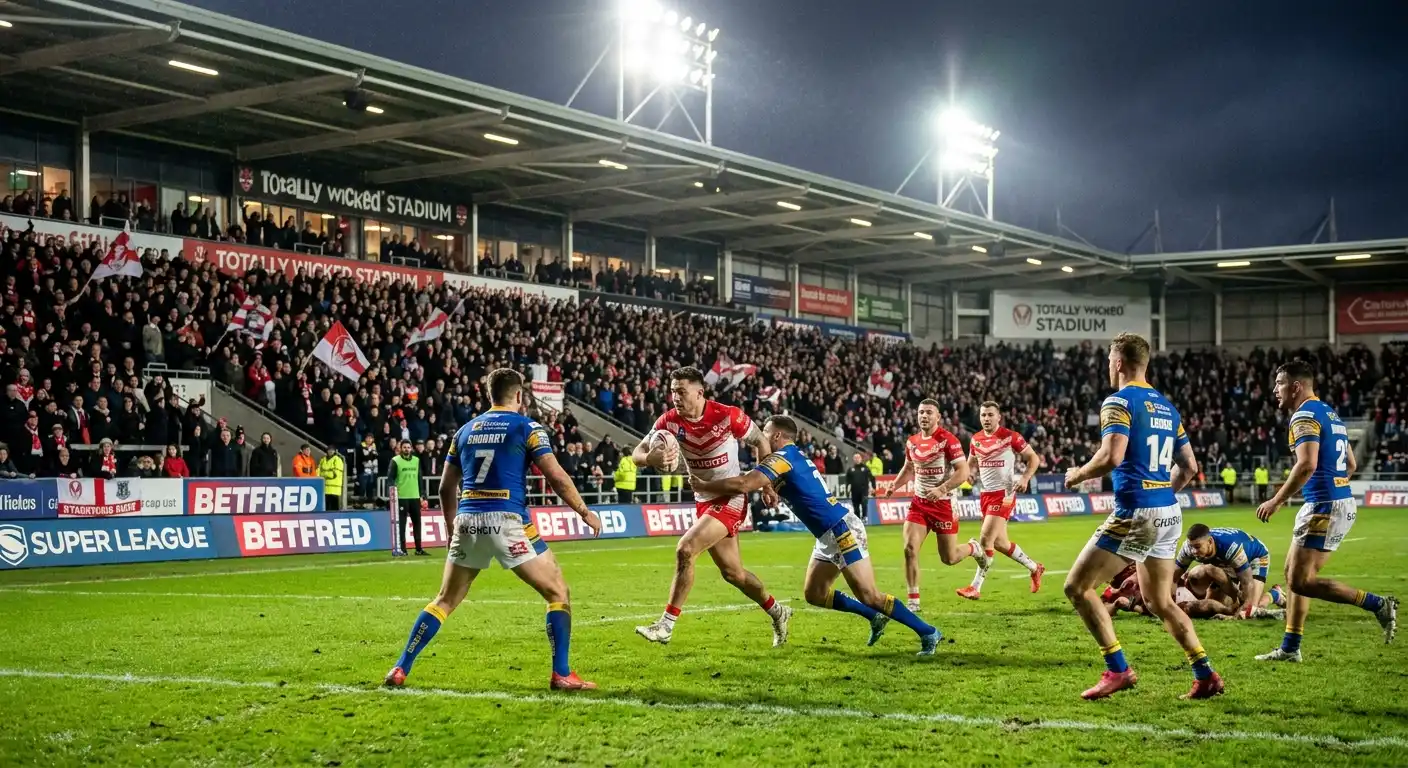
The loop fixture system is unique to Super League and creates an asymmetry that matters for betting. Some teams play certain opponents three times during the regular season while others play them only twice. A third meeting between rivals in the same season — particularly if the earlier results were one-sided — produces different tactical dynamics and motivation levels. Bookmakers price these fixtures using the same power rating model as the first two meetings, but the reality is that familiarity breeds closer contests, and the handicap line from Round 5 may not be appropriate when the same teams meet in Round 22.
Scoring Patterns in Rugby League
The six-tackle rule gives rugby league a rhythm that union lacks. Each possession is structured: five tackles to advance, a kick on the sixth tackle, and a restart. This cyclical pattern produces consistent scoring rates across the match, with less variation between first-half and second-half totals than in union. The typical Super League match averages 38-44 total points, and the deviation from that range is narrower than the equivalent deviation in union, where a single dominant scrum or lineout platform can produce a sudden 20-point burst.
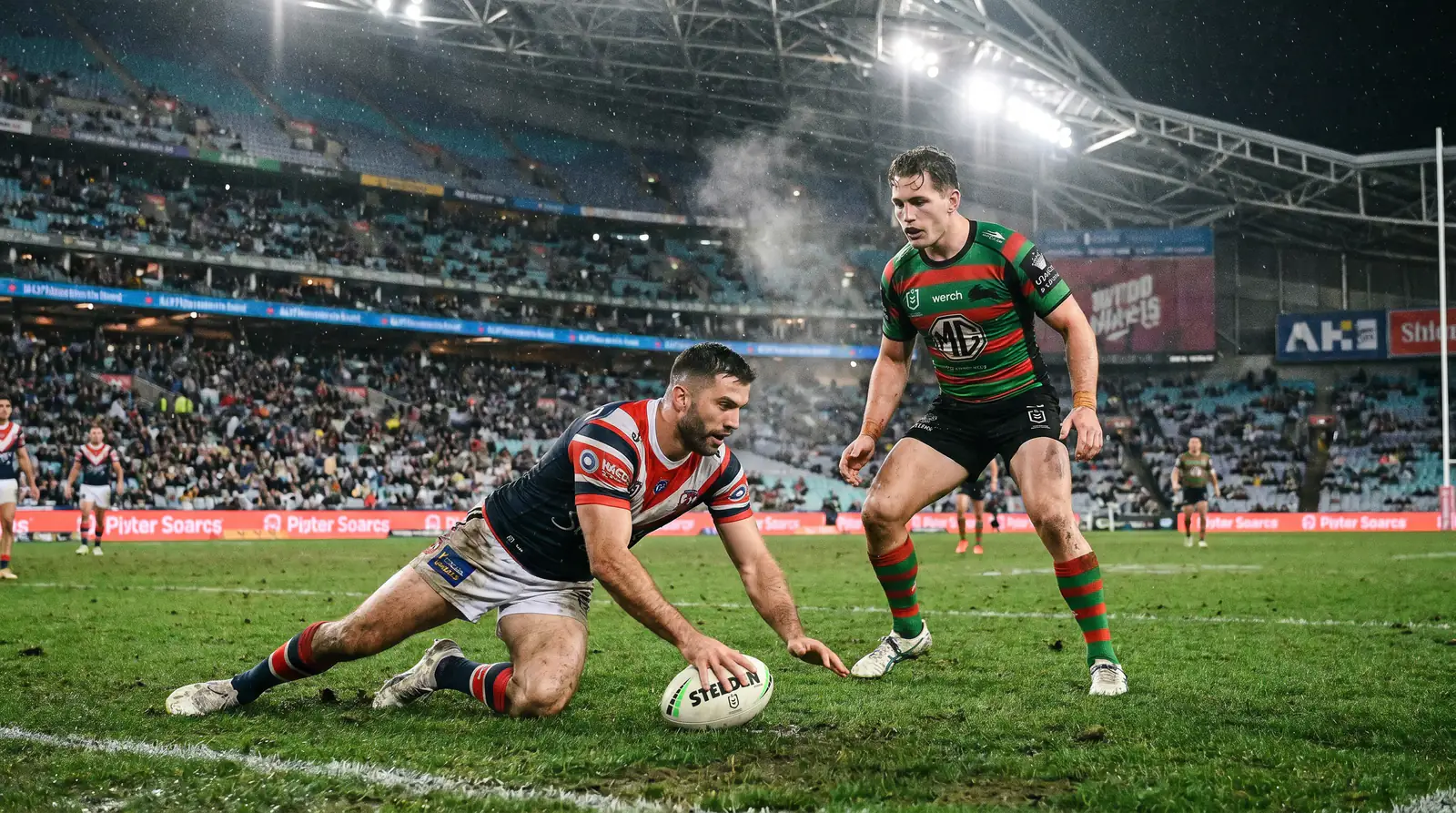
That lower variance is a double-edged sword for the bettor. On one hand, the totals market is more predictable — the over/under line is correctly set more often because the scoring patterns are more stable. On the other hand, the bookmaker’s model benefits from the same predictability, which means there are fewer soft lines to exploit. The edge in Super League totals comes from match-specific factors that override the structural baseline: weather, player absences, and the specific scoring dynamics that distinguish league from union for over/under purposes.
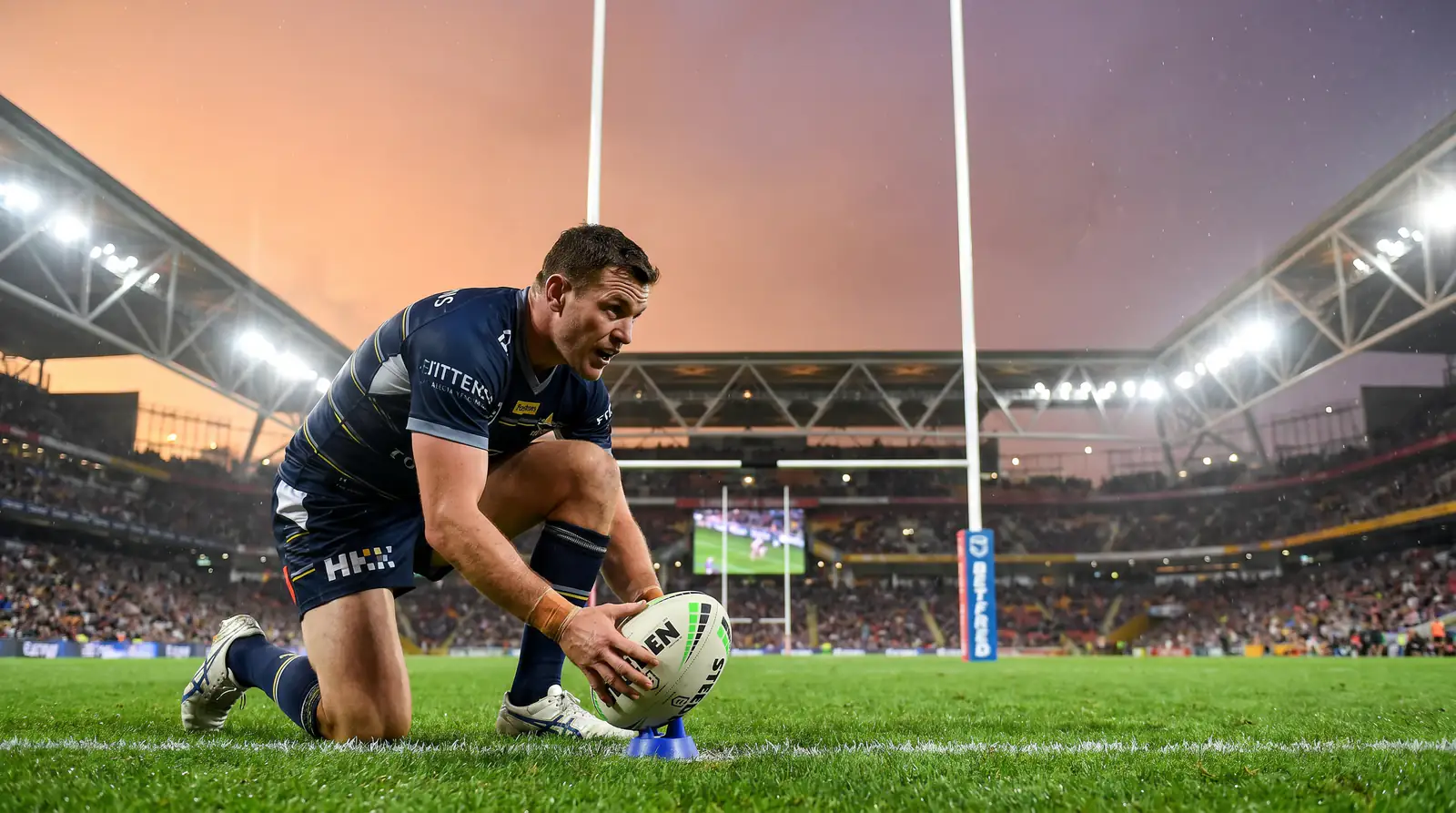
Tries are worth four points in league (versus five in union), and conversions remain at two. The lower try value means that total points in a high-try match can still fall below the line if the goalkicking is poor. I track kicking percentages for each team’s primary goalkicker across the current season and compare them to the bookmaker’s implied expectation within the totals line. A team whose kicker is converting at 65% rather than the historical 75% will underperform the totals model, and the under becomes attractive.
Market Coverage and Liquidity
Super League betting markets are narrower than Premiership union markets. A typical Super League fixture offers 30-50 markets on major UK sportsbooks, covering match result, handicap, over/under, first try scorer, and a limited range of props. Compare that to 60-80 markets for a Six Nations match, and the gap is clear. UK punters place 290 million online bets per month across all sports, and league’s share of that volume is small enough that bookmakers allocate fewer trading resources to compiling league prices.

The reduced liquidity has practical consequences. Opening odds on a Super League fixture often move less than a Premiership match between publication and kick-off, because fewer bets are placed. This means that if you identify an edge early in the week, the price is more likely to still be available by Thursday evening. It also means that the market is less efficient overall — the collective wisdom of sharp bettors has less time and less volume to push prices towards the true probability.
For the bettor who is willing to invest the analytical time in a lower-profile competition, Super League offers a structural advantage: less competition from other sharp bettors, softer prices, and a bookmaker model that receives fewer data inputs and therefore produces less precise lines. The trade-off is that finding reliable data sources for league-specific metrics is harder than for union, where the Six Nations and Premiership generate extensive publicly available match data.
Grand Final and Play-Off Betting
The Super League play-offs run across four weekends in September and October. The top six qualify, with the first and second-placed teams receiving a bye to the semi-finals while third through sixth play elimination matches. The Grand Final takes place at Old Trafford, a neutral venue, in front of a crowd that can exceed 60,000.
Play-off rugby league is tighter and lower-scoring than regular-season fixtures. The defensive intensity increases, teams take fewer risks in attack, and the half-time margin in a play-off match is frequently inside six points. The bookmaker’s totals line for play-off matches should be lower than the regular-season equivalent for the same fixture, and if it is not, the under is the default play.
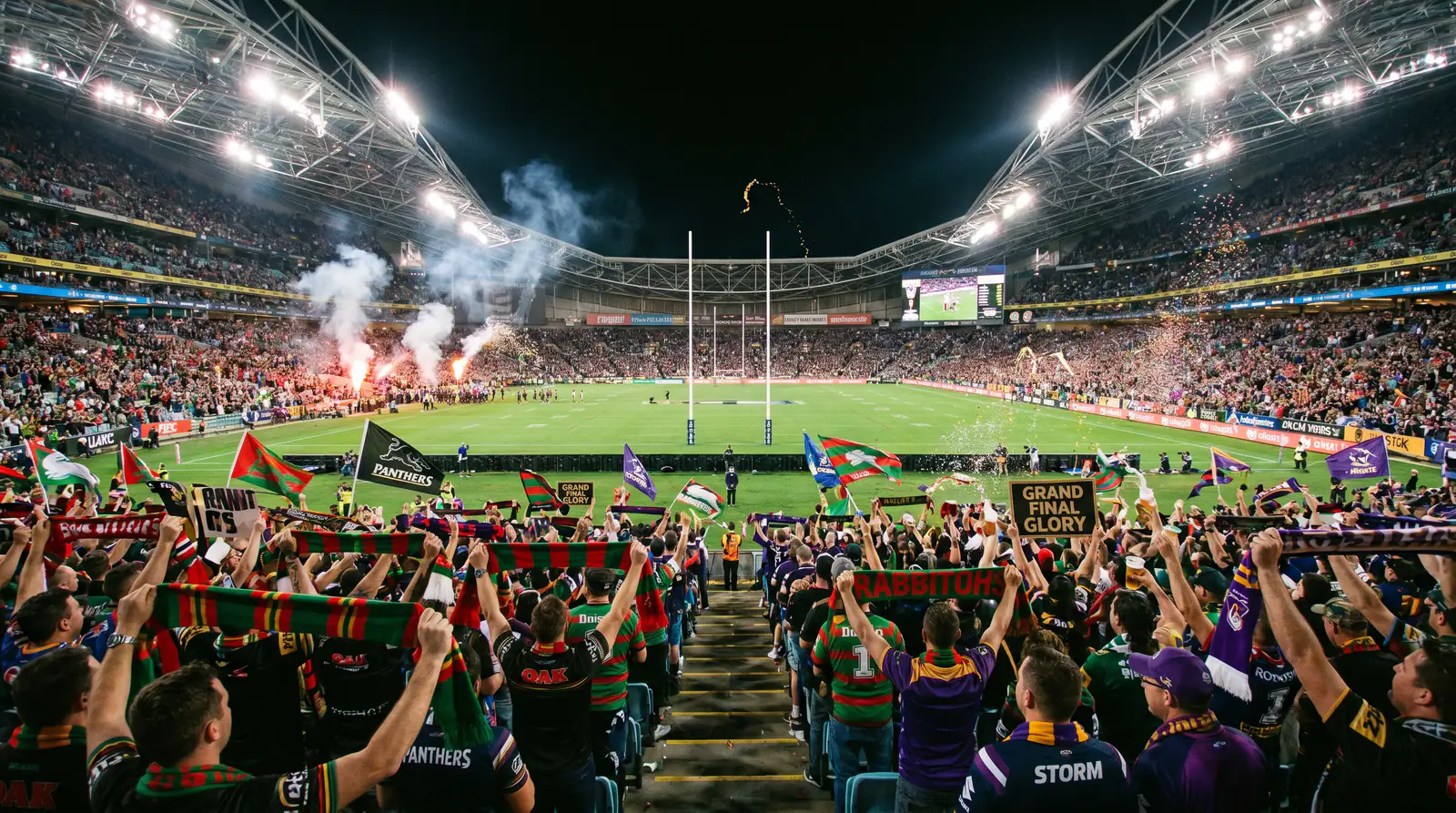
The Grand Final itself is the most heavily bet Super League fixture of the year, and the market is priced accordingly — tighter margins, less soft money, and odds that more accurately reflect the true probability. My approach to the Grand Final is to treat it as a one-off event rather than an extension of the season. Regular-season head-to-head records between the finalists are less predictive than their play-off form across the preceding three weeks. A team that has won two high-pressure elimination matches to reach the Grand Final carries emotional momentum that the league table cannot capture.
How does the Super League play-off structure affect betting?
The top six teams qualify, with first and second receiving a semi-final bye. This means the lower-ranked qualifiers must win additional matches to reach the Grand Final, accumulating fatigue and injury risk. Teams that finish first or second have a structural advantage — they are fresher and have had longer preparation time. Outright Grand Final odds should be weighted accordingly, with the top-two sides carrying a larger probability than their regular-season form alone suggests.
Is the Magic Weekend a good event for accumulator bets?
Magic Weekend concentrates all six Super League fixtures into one venue over two days, which creates an unusual atmosphere but also unusual conditions. Teams play in an unfamiliar stadium, often at different kick-off times from their normal schedule, and the crowd energy is split across multiple matches rather than focused on one side. These variables increase the unpredictability of individual results, which makes accumulator bets riskier than during a standard league round. Individual match analysis is more productive than multi-leg accumulators during Magic Weekend.
