
 Available in US
Content
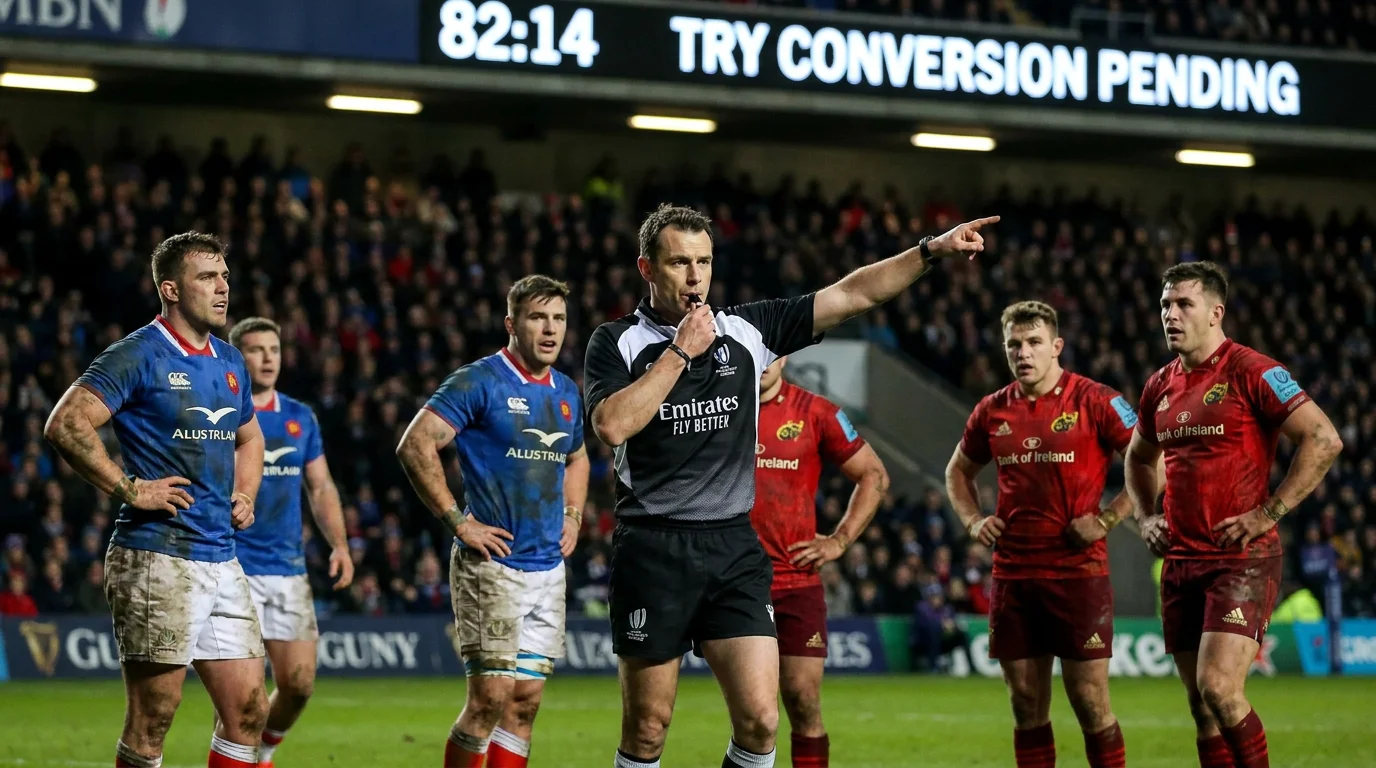
I started logging referee data almost by accident. A friend who refereed at county level told me over a beer that the best officials in the world still have distinctive patterns — one penalises at the breakdown more freely, another is stricter on scrum infringements, a third reaches for the card earlier than the rest. I spent the next weekend building a spreadsheet and have tracked every appointment since. It has become one of the most reliable edges in my entire approach to rugby betting.
The idea that referees are neutral arbiters applying identical standards is a comforting fiction. Every official interprets the law book through their own lens, shaped by their training background, the feedback they receive from assessors, and their personal threshold for what constitutes “material” at the breakdown. Those interpretive differences create measurable variations in match outcomes — penalty counts, card rates, advantage duration, scrum resets — that feed directly into the markets.
Building Referee Profiles
The Six Nations 2025 featured 108 tries across fifteen matches, with an average of 7.2 per game. What that headline number obscures is the variation between referees. Certain officials oversaw matches that produced nine or ten tries; others officiated tighter contests that barely managed five. The referee is not causing the difference single-handedly, but their interpretation of the laws around the breakdown, offside, and advantage creates conditions that either encourage or suppress attacking play.
I build profiles based on four metrics: penalties per match, advantage plays per match, yellow cards per match, and scrum reset rate. Each metric tells a different part of the story. A referee who averages 24 penalties per match creates a stop-start rhythm that favours teams with strong goal-kickers, because each penalty is a potential three points. A referee who averages 16 penalties and plays advantage more frequently creates a more open, flowing contest that suits sides with pace out wide.

Collecting this data is straightforward once you commit to it. Every Six Nations and Premiership match report published by the governing body includes the penalty count. Match centre pages on league websites list cards and key events with timestamps. After one season of logging, you will have a dataset of 15-20 matches per referee — enough to identify stable tendencies.
Penalty Counts and Their Correlation with Outcomes
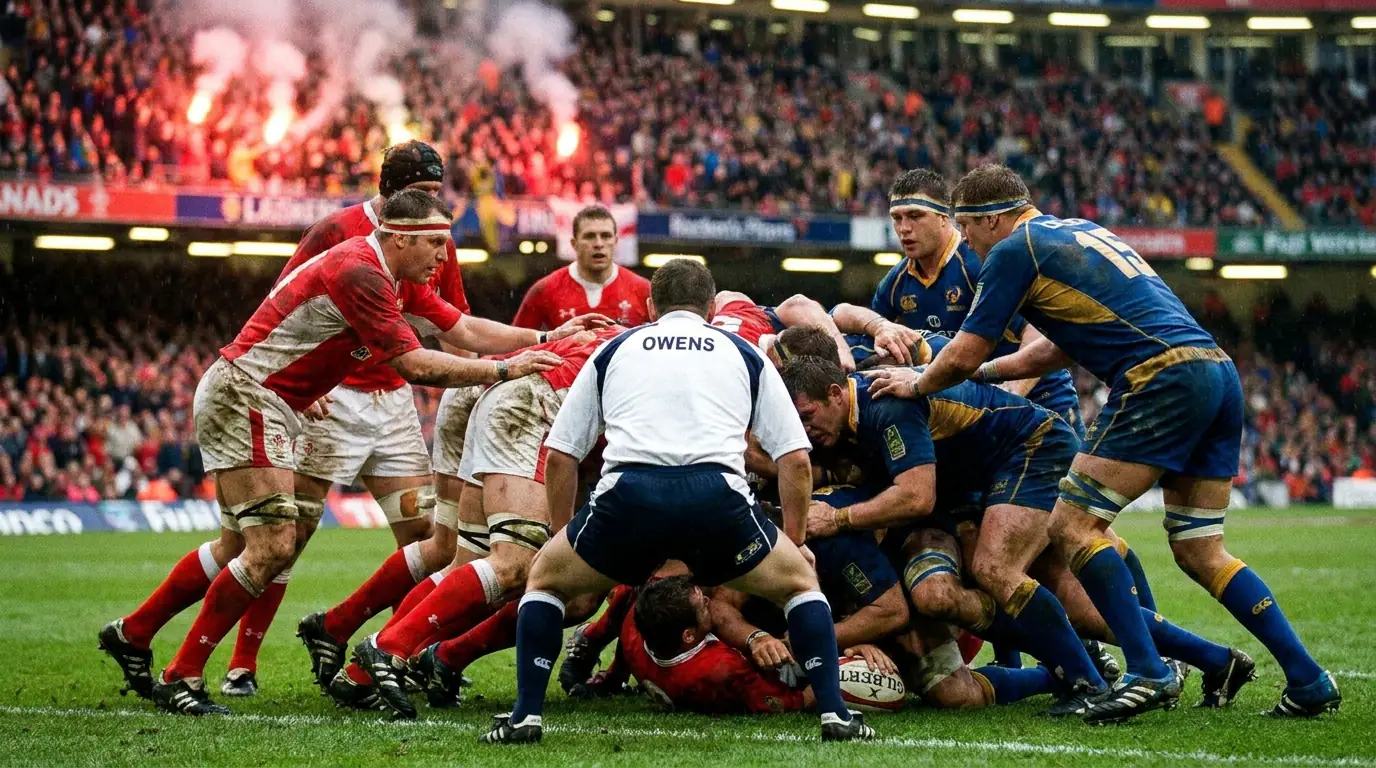
Penalty count is the single most impactful referee metric for betting purposes. Not because penalties decide matches directly, but because they shape the rhythm that determines how a match plays out. A high-penalty match disrupts attacking momentum and gives the kicking side repeated shots at goal from advantageous positions.

The correlation with rugby betting statistics is clear. When a referee averaging over 22 penalties per match is appointed, the under on total tries tends to hit at a higher rate than the market implies. That is because the constant interruptions compress the amount of open play available for try-scoring. Conversely, referees who let the game flow with fewer stoppages tend to produce higher-scoring matches, particularly when the two sides involved are evenly matched and both commit to attacking rugby.
I track a simple derivative: “try-per-minute-of-play” adjusted for referee penalty rate. Two teams that score at similar rates in open play can produce wildly different scorelines depending on whether the referee awards 16 penalties or 26. That derivative, imperfect as it is, has been a better predictor of total tries than either team’s season average alone.
Card Rates and Discipline Profiles
A yellow card is worth approximately seven points to the non-offending team — that is the average scoring differential during a ten-minute sin-bin period across the Six Nations 2025, where the mean points per match sat at 55. That figure alone should make you pay attention to which referees are more willing to reach for the card.

Some referees issue one yellow card every three matches; others average one per match or more. The variation is not random — it reflects a philosophical difference in how officials manage discipline. Referees who use the card as a tool of last resort after multiple warnings tend to produce higher penalty counts but fewer cards. Referees who escalate to yellow earlier often bring the penalty count down in the second half because players adjust their behaviour after seeing a teammate sent to the sin-bin.
For betting purposes, the card rate matters most in handicap markets. A team giving away a seven-point handicap needs to stay at fifteen players for the full eighty minutes to cover the spread. If the appointed referee has a track record of issuing cards freely, the risk of a sin-bin-induced scoring burst by the opposition increases, and the handicap becomes harder to cover. I weight card rate data particularly for matches involving ill-disciplined sides — those that concede a high number of penalties per game. The combination of a penalty-prone team and a card-heavy referee is a reliable predictor of a sin-bin occurrence.
Applying Referee Data to Your Betting
Knowing the data is one thing; turning it into actionable bets is another. My process is a three-step filter applied to every match in my weekly schedule.

First, I check the referee appointment. Major competitions publish appointments several days in advance — the Six Nations usually confirms officials by Tuesday for that weekend’s matches, and the Premiership does the same by Wednesday. If the referee is someone I have profiled extensively, I pull up their metrics immediately.
Second, I overlay the referee profile onto the teams involved. A high-penalty referee assigned to a match between two disciplined sides is less significant than the same referee assigned to a fixture between two teams that regularly concede 14 or 15 penalties per game. The interaction between referee tendency and team behaviour is where the real value lies. Two ill-disciplined packs facing a strict referee can produce a penalty count in the high twenties, which skews the match decisively towards the side with the better goal-kicker.
Third, I compare my projected outcome — adjusted for referee influence — against the market line. If the totals market is set at 44.5 and my referee-adjusted model says 38, that is a clear under bet. If the handicap is -6.5 and the referee data suggests a tight, penalty-ridden contest where large margins are unlikely, I consider taking the underdog to cover. The key is treating referee data as one input in a multi-variable model, not as a standalone system. It refines your edge; it does not replace your analysis.
Where can I find referee appointment data before a rugby match?
Six Nations and Premiership referee appointments are typically published on official competition websites three to five days before the fixture. European Professional Club Rugby also confirms match officials for Champions Cup and Challenge Cup fixtures earlier in the week. Social media accounts of the referee bodies often share the information too.
Do certain referees favour higher-scoring or lower-scoring games?
Referees do not deliberately favour high or low scoring, but their interpretation of the laws creates conditions that influence scoring rates. Officials who award fewer penalties and play advantage more often tend to oversee higher-scoring matches, while those with higher penalty counts produce more stop-start contests that suppress try-scoring.
