
 Available in US
Content

Walk into any Premiership ground on a Saturday afternoon and the gambling industry is impossible to miss. It is on the shirts, on the LED boards, on the programme adverts, and woven into the pre-match entertainment. For years, that relationship has been a financial lifeline for clubs operating on thin margins. Now it is changing — fast — and both the sport and the betting industry need to prepare for what comes next.
In the 2023/24 season, 11 of the 13 Gallagher Premiership clubs carried a gambling sponsor. Research from the same period found that 65% of televised rugby broadcasts contained visible gambling branding at some point during the transmission. Those numbers tell you how deeply intertwined the two industries have become. Understanding the sponsorship landscape is essential context for anyone who bets on rugby in the UK.
The Current Sponsorship Landscape
Gambling sponsorship in rugby did not arrive overnight. It grew steadily through the 2010s as clubs searched for commercial partners willing to pay shirt-front fees that other sectors had abandoned. Bookmakers stepped in because the demographic matched: rugby attracts an audience that skews male, affluent, and engaged with sport — precisely the profile that betting companies target.
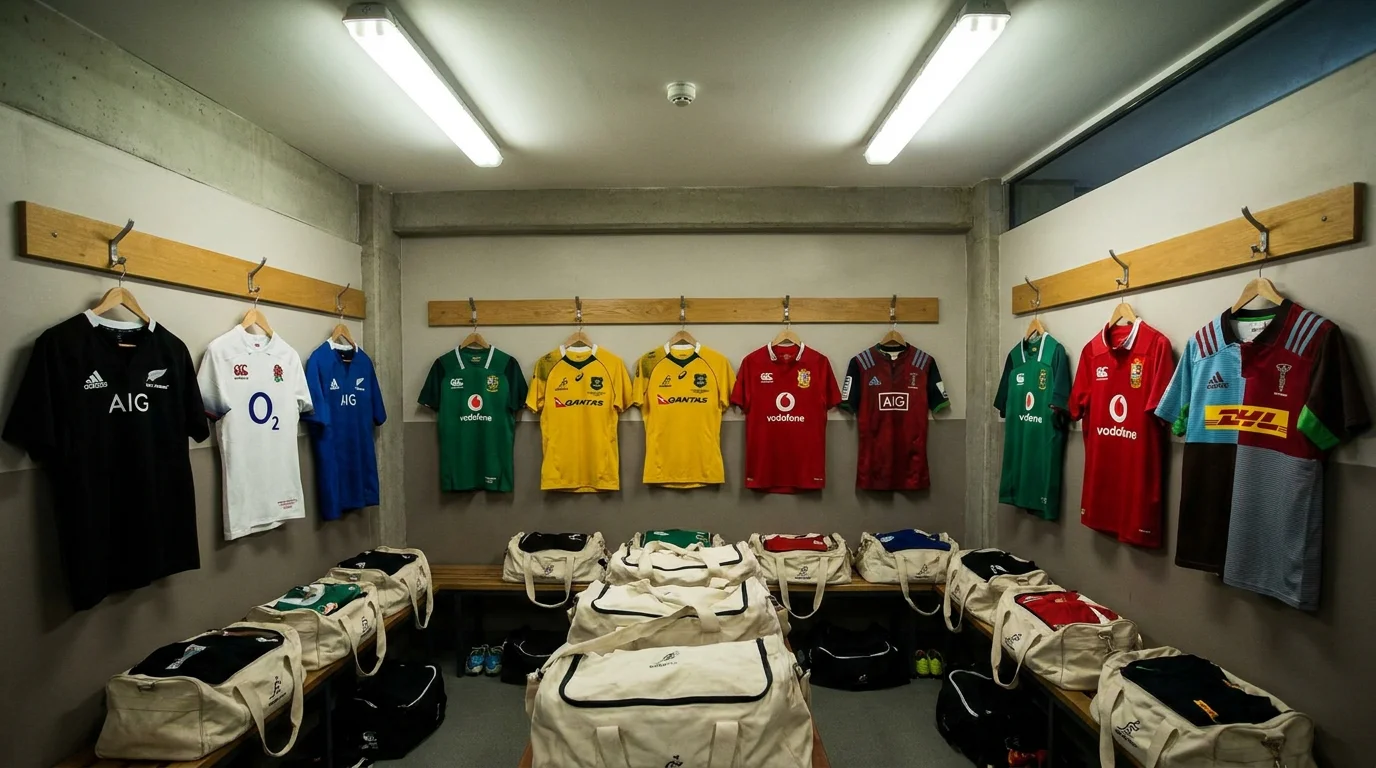
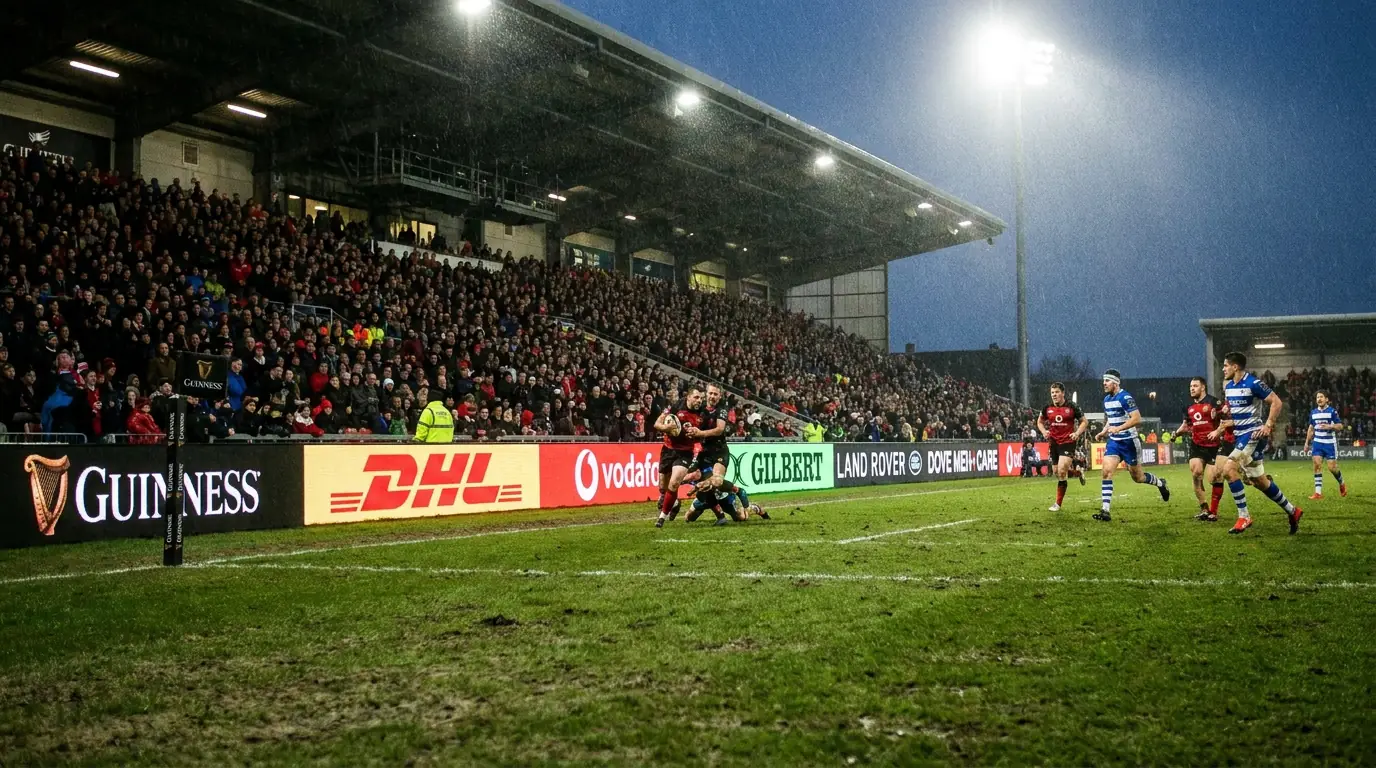
The result is a concentration of gambling branding across professional rugby that exceeds almost any other UK sport. With 11 of 13 Premiership clubs carrying gambling sponsors in 2023/24, the shirt front became the single most visible advertising platform in the English game. Add perimeter boards, naming rights, and digital overlay on broadcast feeds, and the average viewer encounters gambling branding dozens of times per match without actively seeking it out.
The financial terms vary, but shirt sponsorship deals in the Premiership are understood to range from GBP 200,000 to over GBP 1 million per season for top-tier clubs. For organisations that collectively lost more than GBP 32 million in the financial year ending June 2024, those sums are not trivial. In some cases, the gambling sponsor represents the second or third largest revenue line after broadcasting and matchday income. Removing that income without replacement would push already fragile balance sheets further into the red.
Incoming Regulation and What It Means
The regulatory direction is unambiguous. The front-of-shirt gambling sponsorship ban takes effect from the 2026/27 season in the Premier League, and the pressure on rugby to follow suit is mounting. While the ban’s initial scope is football-specific, the Gambling Commission and the Department for Culture, Media and Sport have signalled that other sports are under review.

The BGC’s seventh edition of its Code Handbook, effective from March 2025, already requires that 20% of gambling advertisements carry safer gambling messaging. A mandatory gambling levy, expected to raise roughly GBP 100 million annually for harm prevention, adds further cost to operators who may respond by reducing sponsorship budgets across less commercially prominent sports. Rugby, with its smaller broadcast audiences compared to football, could see reduced interest from betting companies even before any formal ban is imposed.
For Premiership rugby, the financial health of clubs is already precarious. The league generates approximately GBP 320 million in annual revenue, impressive by rugby standards but modest compared to football. If gambling shirt sponsorship is restricted or banned within the next two to three years, clubs will need to replace income streams that some have grown dependent on over the past decade. The transition period matters enormously — a phased withdrawal gives clubs time to find alternative partners, while a sudden ban could destabilise the weakest financially.
The Financial Dependency Problem
There is an uncomfortable tension at the heart of rugby’s relationship with gambling money. The sport needs the revenue. Clubs are losing money. All ten Premiership clubs reported combined losses exceeding GBP 32 million in 2024, and the picture across European rugby is similarly strained — the top ten national unions ran a collective operating loss of approximately $137 million in the same period. Gambling sponsorship plugs gaps that other commercial categories have not filled.

That dependency creates a vulnerability. If regulatory changes remove or restrict gambling sponsorship, the affected clubs do not simply absorb the loss. They cut costs — which in rugby means reducing squad investment, scaling back academy programmes, or deferring ground improvements. The knock-on effect for bettors is indirect but real: weaker squads produce less predictable results, and less predictable results make markets harder to read.
The counter-argument, voiced primarily by public health advocates, is that normalising gambling through sports sponsorship causes measurable harm. Approximately 4.3 million adults in the UK are affected by someone else’s gambling, and the visibility of betting brands during live sport is cited as a contributing factor. The debate is not about whether gambling sponsorship generates revenue for clubs — it clearly does — but about whether the societal cost justifies the financial benefit.
Global Context and Where Rugby Fits
The UK is not alone in grappling with gambling sponsorship in sport. Australia implemented a phased ban on gambling advertising during live sport, Italy prohibited gambling sponsorship entirely in 2019, and several other European jurisdictions have introduced restrictions of varying severity. Each market offers a case study in what happens when the money tap is turned off.

The global sports betting market exceeded $80 billion in the 2024/25 cycle, and operators are reallocating budgets towards markets with fewer restrictions. That reallocation may benefit rugby in emerging betting markets — parts of Asia, Africa, and South America where the sport is growing and regulation is lighter — but it does not solve the problem for UK clubs who rely on domestic sponsorship income.
Rugby’s global market, valued at $6.9 billion in 2025 with projections of $11.9 billion by 2033, suggests the sport has commercial headroom to diversify its revenue base. But that growth is concentrated in broadcasting rights and event-day revenue, not sponsorship. The clubs most exposed to a gambling sponsorship withdrawal are those in mid-table positions without the brand cachet to attract premium sponsors from other sectors. For those clubs, the next three years represent a critical window to reduce dependence on gambling income before regulation forces the issue.
The conversation around sponsorship is also shifting within the betting industry itself. Several operators have voluntarily reduced their exposure to sports sponsorship as part of broader corporate responsibility strategies, particularly in markets where regulatory risk is highest. Whether that voluntary approach accelerates or slows depends largely on how aggressively the Gambling Commission extends the football ban to other sports. For rugby clubs planning their commercial futures, the prudent assumption is that restrictions are coming — the only question is when.
When does the front-of-shirt gambling sponsorship ban take effect in UK sport?
The front-of-shirt gambling sponsorship ban applies to the Premier League from the 2026/27 season. Rugby is not yet covered by a formal ban, but regulatory pressure is increasing and the Gambling Commission has indicated that other sports are under review for similar restrictions.
How many Premiership rugby clubs currently have a gambling sponsor?
In the 2023/24 season, 11 of the 13 Gallagher Premiership clubs carried a gambling sponsor on their kit. The proportion may shift as regulatory pressure increases and some operators voluntarily withdraw from rugby sponsorship ahead of potential restrictions.
