
 Available in US
Content
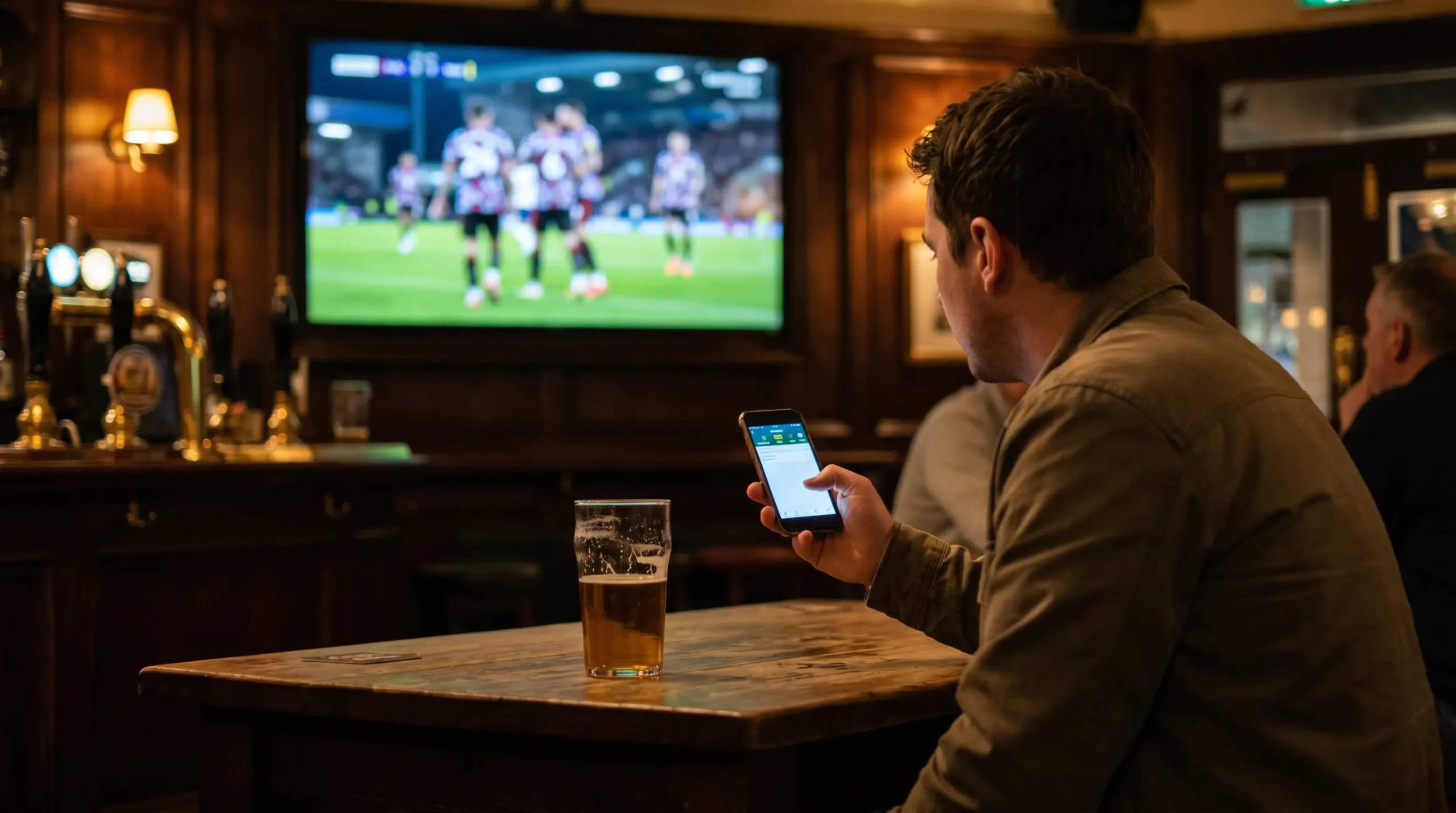
There is a moment in every rugby match when you feel the shift before the scoreboard shows it. A scrum-half starts box-kicking deeper, the defensive line pushes up five metres, and the crowd noise changes pitch. I backed Ireland in-play against New Zealand during the 2022 November Tests after watching exactly that kind of shift — the Irish pack had won three consecutive scrums on the front foot, and the All Blacks’ body language had visibly dropped. The in-play odds had not caught up yet. That 15-minute window between the momentum swing and the price adjustment is where live rugby betting delivers its best returns.
The UK’s remote betting sector generated GBP 2.12 billion in gross gambling yield during Q4 2025, and in-play markets represent a substantial share of that figure. Rugby is particularly well-suited to live betting because the game flows in identifiable phases — territorial dominance, set-piece pressure, penalty accumulation — each of which creates tradeable moments that pre-match odds cannot capture.
How Live Rugby Betting Operates
The first time I placed an in-play rugby bet, I was surprised by how quickly the market suspended after a try. Within seconds of the ball crossing the line, prices vanish from the screen, and when they return 90 seconds later, the landscape has changed entirely. Understanding the rhythm of these suspensions is fundamental to live betting.
In-play markets open at kick-off and remain active throughout the match, but they suspend during key events: tries, penalty goals, conversions, yellow and red cards, and any TMO review. Between these suspensions, odds update continuously based on the match state — score, time elapsed, momentum indicators, and the bookmaker’s algorithmic model. UK punters place 290 million online bets per month on real events, and a significant proportion of those are live wagers on sports including rugby. The speed of execution matters: prices shift in seconds, and the best live value disappears before most punters have registered the on-field event that caused it.
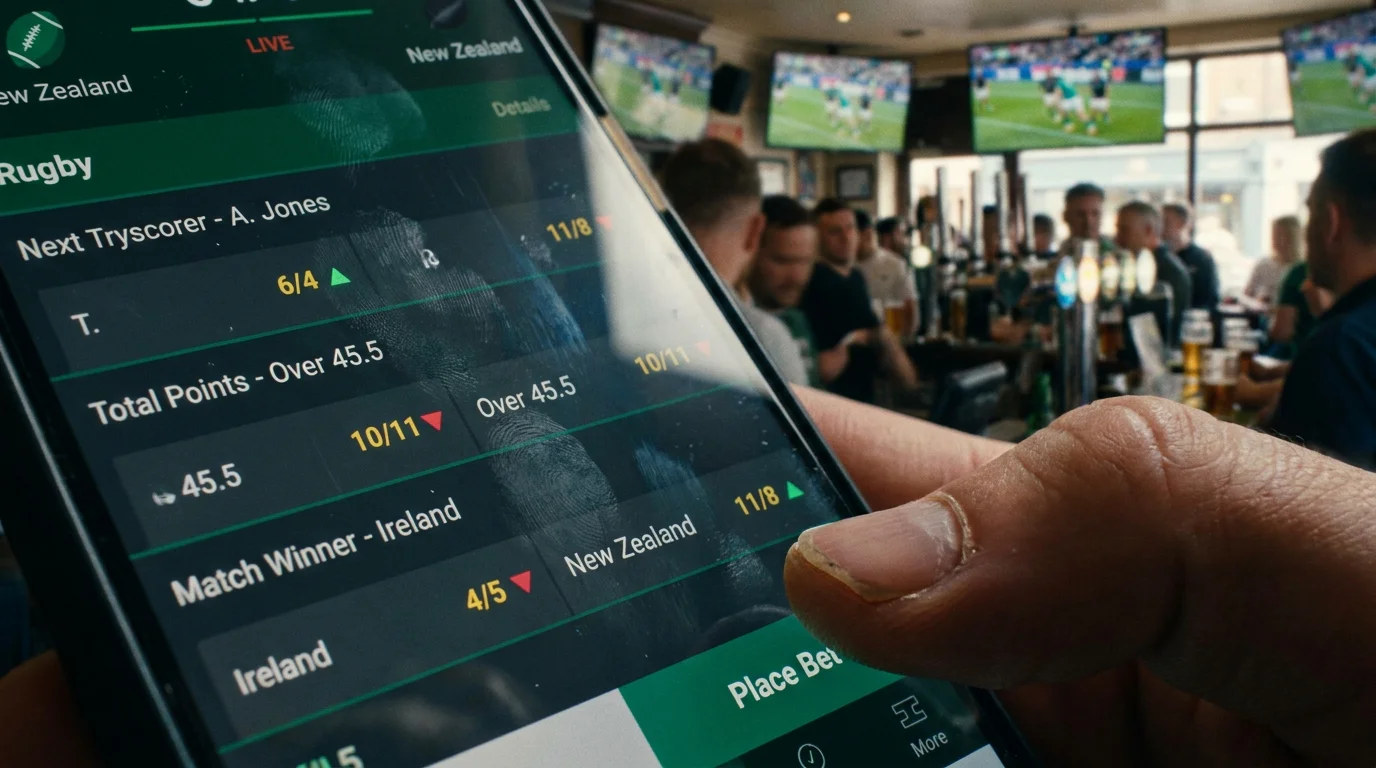
Most sportsbooks offer a narrower range of markets in-play compared to pre-match. You will reliably find next team to score, match result, handicap, and over/under totals. Try scorer markets are occasionally available in-play but not universally, and when they are offered, the odds adjust so rapidly that placing a bet requires both speed and a clear pre-formed opinion.
Momentum Triggers That Move In-Play Odds
I keep a short checklist during live matches — four triggers that reliably precede in-play odds movement, usually by 60 to 90 seconds. Recognising them before the market adjusts is the entire game.
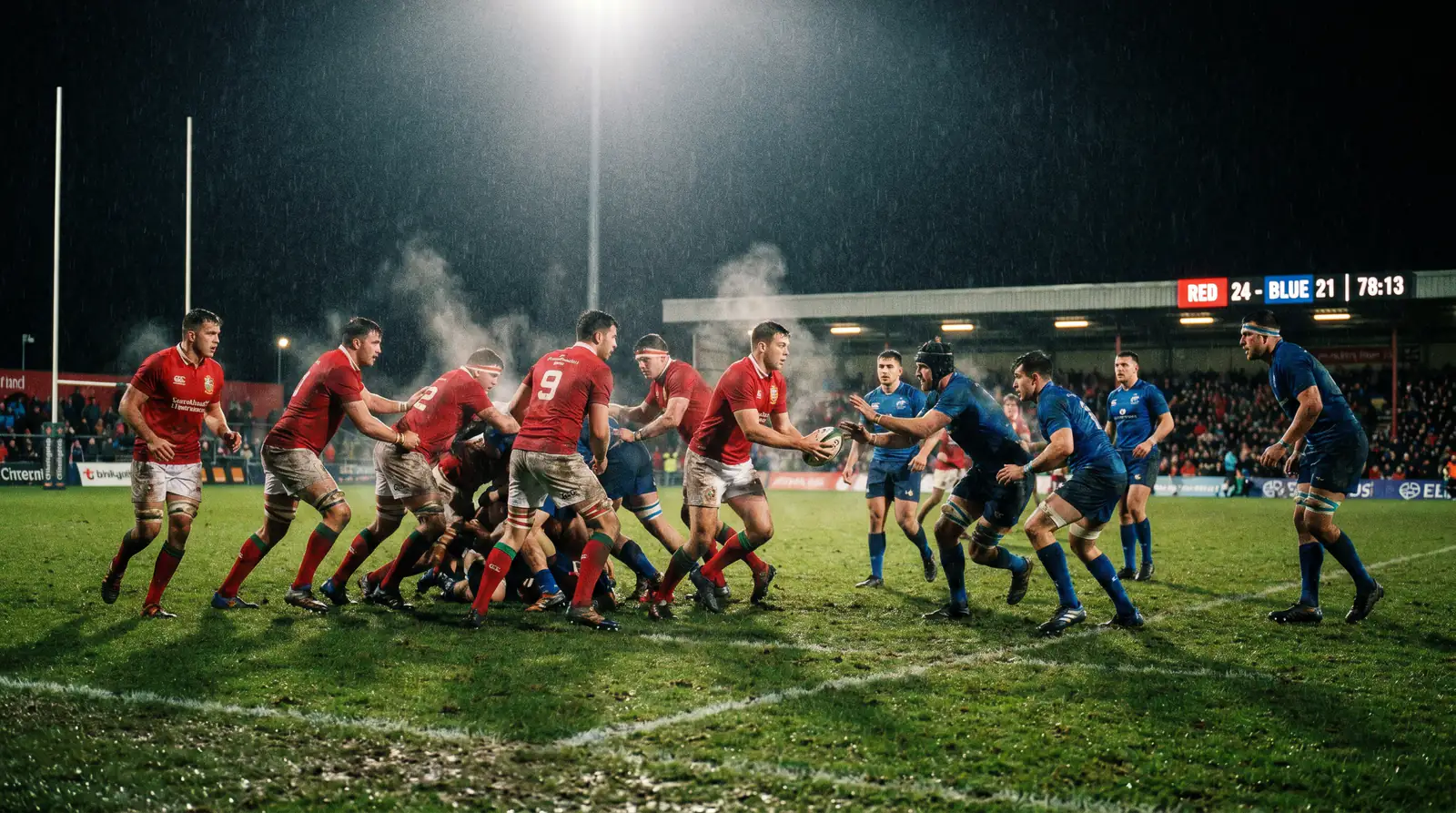
Territorial dominance is the first and most reliable signal. When a team spends three or more consecutive minutes inside the opposition 22, the probability of scoring rises sharply. The in-play model accounts for territory, but it lags behind the granular reality of what is happening at the breakdown. If you can see that the attacking team is recycling quickly and the defence is conceding penalties at the ruck, the next score is more likely than the odds suggest.
The second trigger is the kicking battle. Rugby matches are won and lost through tactical kicking, and when one fly-half starts finding touch consistently inside the opposition 40, it signals a period of sustained pressure. The odds on that team’s next score shorten, but the adjustment is usually slower than the on-field momentum warrants, especially in lower-profile matches where the bookmaker’s model receives fewer live data inputs.
Substitutions are the third trigger, and they are the most underappreciated. A fresh front row entering after 50 minutes can transform a scrum that had been under pressure into a dominant platform. The impact is immediate — within one or two scrums, you can see whether the substitution has shifted the balance — but the in-play odds often take several minutes to reflect it. Weather shifts during a match also alter the in-play dynamics considerably; a sudden downpour at half-time suppresses scoring and makes the under more attractive than the pre-match line suggested.
The fourth trigger is referee behaviour. A referee who has awarded six penalties in the first 20 minutes is signalling a low tolerance for infringement, which affects the card market, the penalty count market, and indirectly the total points market. Referees do not change their approach mid-match — the pattern in the first quarter is the pattern for the full 80.
Sin Bin Opportunities
Yellow cards are the single most exploitable event in live rugby betting. When a player is sent to the sin bin, their team plays with 14 for ten minutes — and the scoring probability during that window shifts dramatically in favour of the team with the numerical advantage.
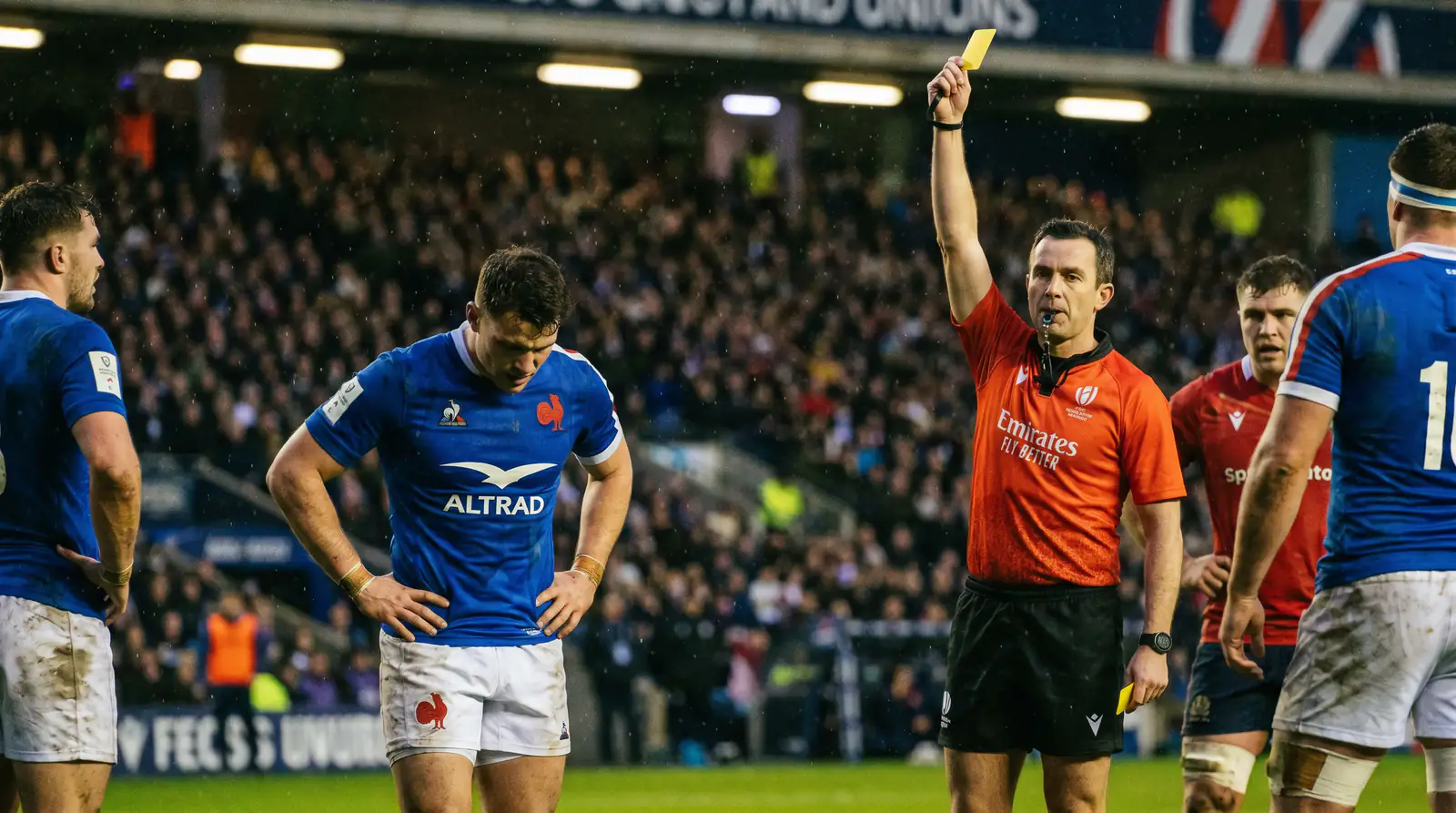
I have tracked yellow card periods across two full Six Nations campaigns and dozens of Premiership rounds. The team with the one-player advantage scores in roughly 60-65% of sin-bin periods, and the average points scored during those ten minutes is higher than any equivalent ten-minute window in the match. The in-play odds adjust immediately after the card is shown, but the adjustment tends to underprice the scoring probability because the model uses match-level averages rather than sin-bin-specific data.
The play here is straightforward: when a yellow card is issued, the next team to score market and the over/under total both shift in predictable directions. If the bookmaker has not adjusted the over/under line sufficiently — and in my experience, they frequently have not, particularly in lower-profile fixtures — backing the over during a sin-bin period offers a genuine edge. The window is narrow (you need to act within the first minute of the suspension), but the frequency is high enough to build a meaningful sample over a season.
Timing Your Cash-Out
Cash-out is the feature that turns live betting from a single binary decision into a dynamic position. I treat cash-out the same way a trader treats a stop-loss: it is there to protect profit or limit downside, not to optimise every last pound.
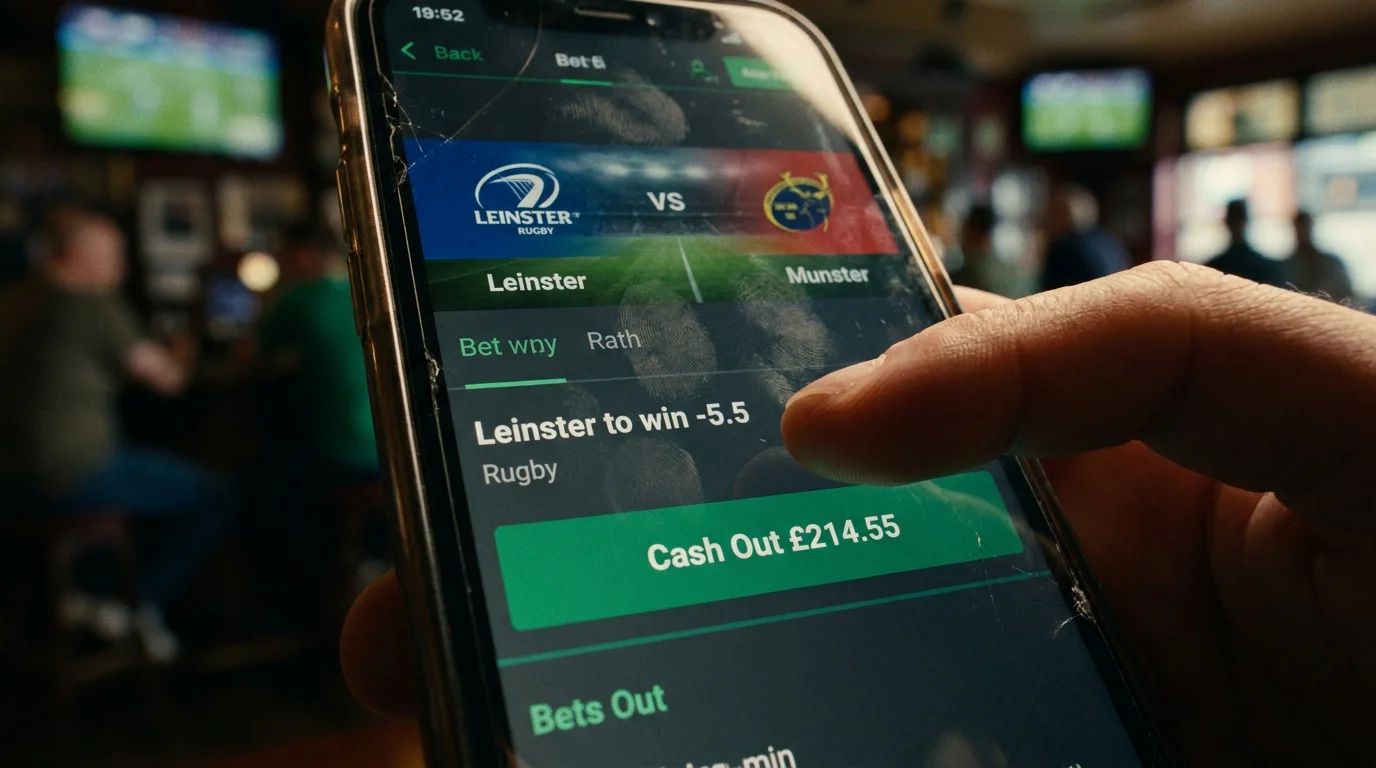
The mistake most punters make is cashing out too early when their bet is winning, locking in a fraction of the potential return because nerves get the better of them. The opposite mistake — refusing to cash out when the match is clearly turning against you — is equally costly. My rule is simple: if the reason I placed the bet is no longer valid (the team’s shape has changed, a key player is injured, the referee has shifted the penalty balance), I cash out regardless of whether I am in profit or loss. If the original thesis still holds, I let it ride.
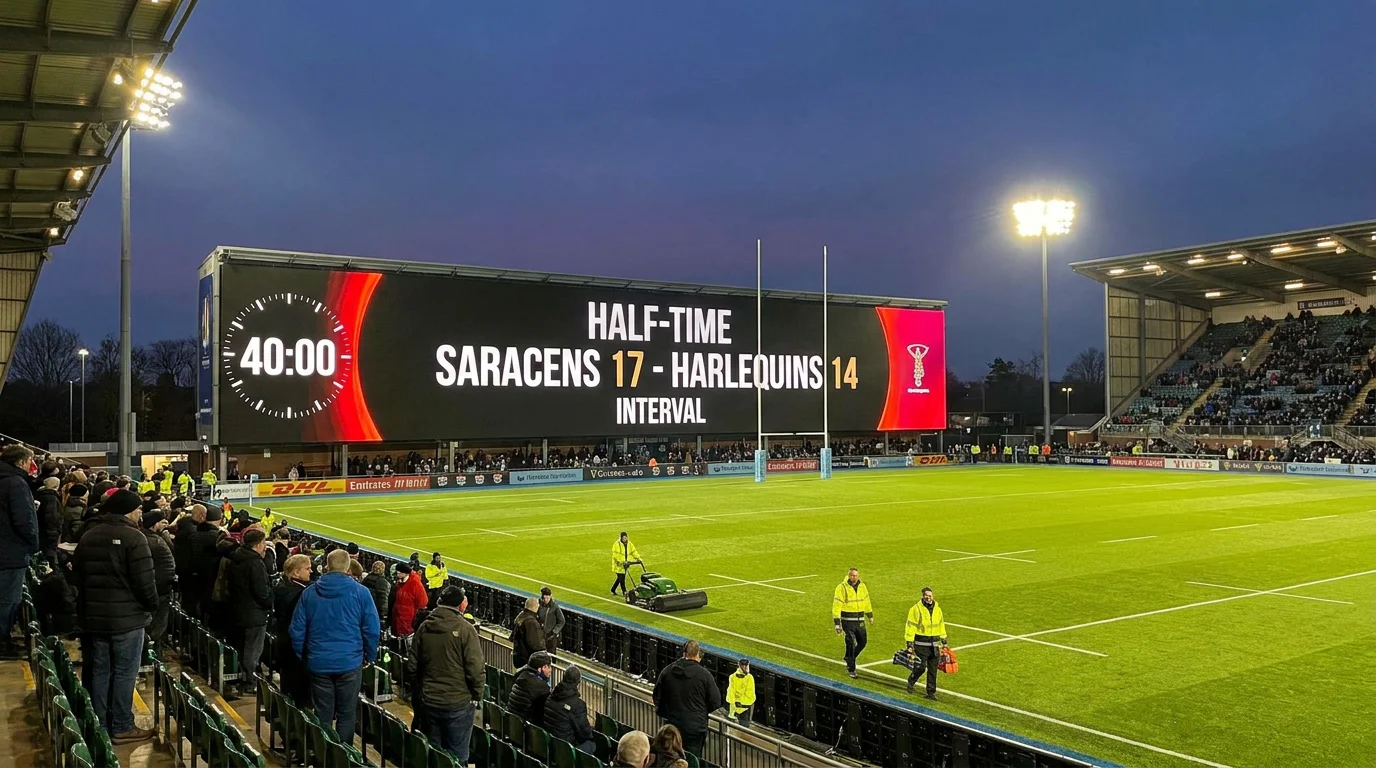
One tactical use of cash-out that I find particularly effective in rugby: cashing out a pre-match bet at half-time and immediately re-entering the market at in-play odds that reflect the first-half performance. If you backed a team to win at 6/4 pre-match and they lead by ten at half-time, the in-play odds have shortened considerably, but you have locked in a guaranteed return via cash-out. You can then re-enter on the handicap or the over/under at prices that were not available before kick-off, effectively splitting your original position into two separate bets with different risk profiles.
How quickly do rugby in-play odds change after a try?
The market suspends within seconds of a try being scored. When it re-opens — usually 60 to 90 seconds later, after the conversion attempt — the odds reflect the new score and match state. The biggest adjustment happens after tries that change the lead, while tries that extend an existing lead produce smaller shifts. The window between the try and the market re-opening is dead time for betting, so the real edge lies in positioning before the try, not reacting after it.
Can I place try scorer bets during a live rugby match?
Some bookmakers offer in-play try scorer markets, but availability varies. When they are offered, odds update rapidly and the market may suspend for extended periods during stoppages. First try scorer markets close at kick-off, but anytime and next try scorer markets may remain open in-play. Check your sportsbook’s in-play menu before the match starts so you know which markets will be available.
