
 Available in US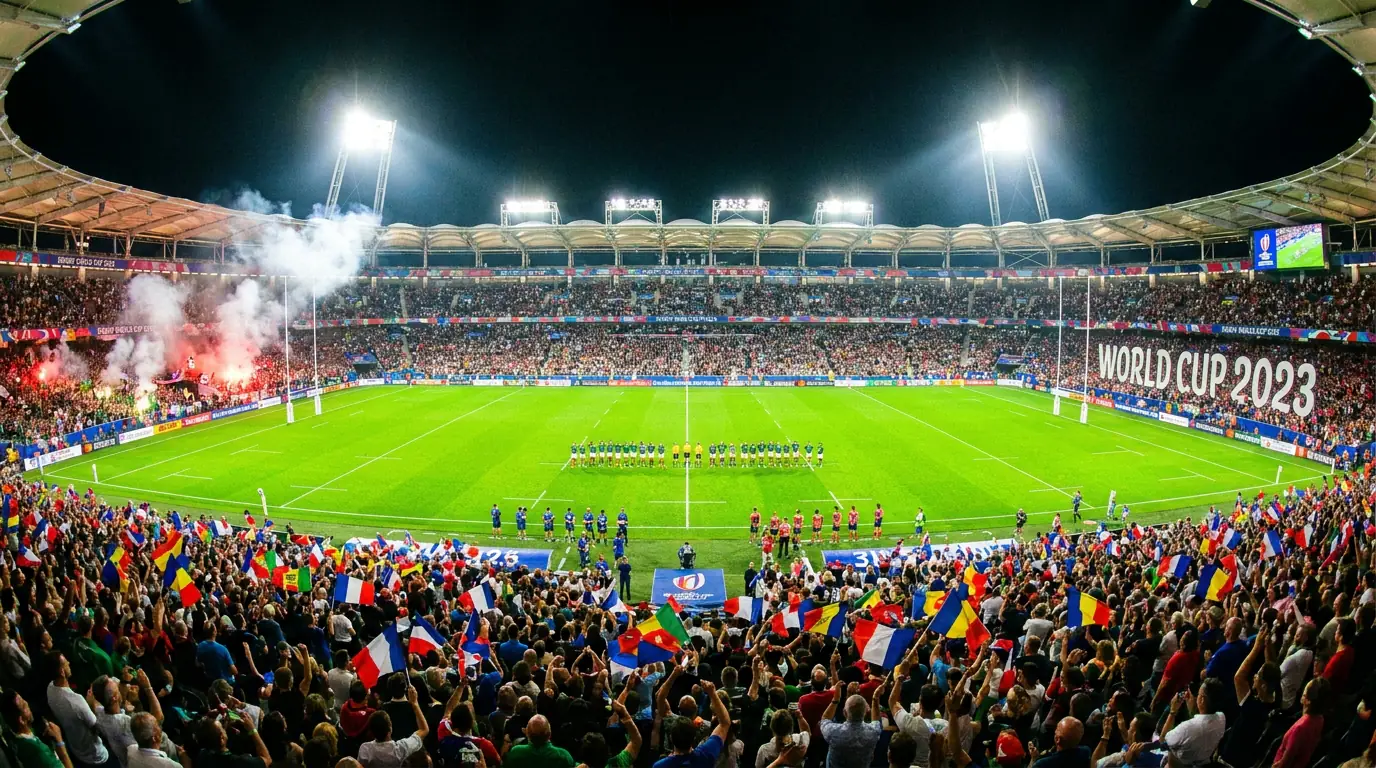
The 2023 Rugby World Cup in France was the first tournament where I approached my betting with anything resembling a system. Before that, I had placed the same outright bet on New Zealand every four years — partly out of loyalty, partly out of analytical laziness. France 2023 changed my thinking because the host nation, despite being strong favourites, exited in the quarter-finals to South Africa in a match that hinged on a single penalty and a red card. That result crystallised something I had been slow to accept: World Cup betting is not about picking the best team. It is about pricing the knockout variance.
The Rugby World Cup reaches roughly 200 million viewers globally for the men’s tournament, and over 800 million people express some degree of interest in rugby worldwide. That attention spike — far beyond the reach of any domestic league or annual championship — drives enormous betting volume. The global rugby market was valued at $6.9 billion in 2025 and is projected to reach $11.9 billion by 2033, and World Cup years account for a disproportionate share of that commercial activity. For punters, the challenge is navigating a tournament format that rewards endurance as much as talent.
Tournament Format and Betting Phases
The World Cup runs across seven weeks, from pool stages through quarter-finals, semi-finals and the final. Twenty teams are drawn into four pools of five, playing each team in their pool once. The top two from each pool advance to the quarter-finals, and from there it is single-elimination knockout rugby.
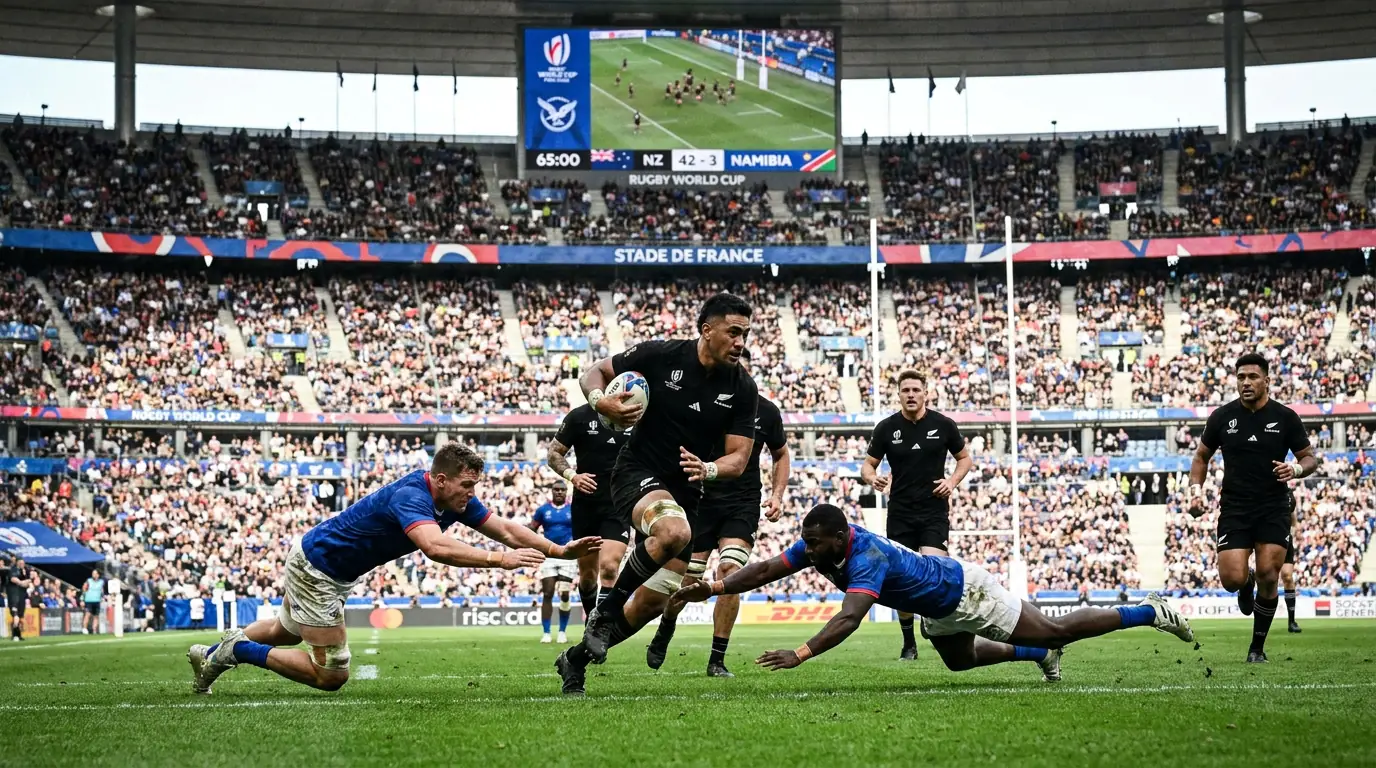
That structure creates two fundamentally different betting phases. The pool stage is a round-robin, where form builds gradually and mismatches are common — Tier 1 nations regularly beat Tier 2 and Tier 3 opponents by margins of 40 points or more. The knockout stage, by contrast, is a single-match format where a single refereeing decision, a red card, or an injury to a key playmaker can eliminate the tournament favourite in 80 minutes. Treating these two phases identically is a mistake I see punters make repeatedly.
Pool Stage Strategy
During the 2023 pool stage, I placed zero outright bets. Instead, I focused entirely on match-by-match handicap and totals markets, where the data advantages were clearest. Pool matches between ranked and unranked sides produce wide handicap lines — -30 or more in some cases — and the key question is not who wins but whether the stronger side will show any discipline in managing the margin.
The global rugby fanbase includes 24 million “superfans” of professional club rugby, and those dedicated followers have a significant information edge during pool stages because they track squad depth, injury recovery timelines, and coaching tendencies that casual World Cup viewers overlook. If you follow the Premiership, Top 14, and URC throughout the domestic season, you arrive at the World Cup with a detailed understanding of how the squad players (not just the starting XV) are likely to perform. That understanding matters most in pool-stage dead rubbers, where coaches rest frontline players and the match result market prices a side based on their first-choice team’s power rating rather than the actual XV taking the pitch.
Outright tournament markets tighten steadily as the pools progress. By the end of Round 3, two or three teams will have emerged as clear favourites, and the outright price on those sides shortens significantly from the pre-tournament opening. If you want outright value, the window is before the tournament starts — where uncertainty is highest and the bookmaker is pricing all 20 teams, including teams that will never threaten the semi-finals. Backing a contender at their pre-tournament price and then trading the position in-play as the tournament unfolds is a more sophisticated approach than simply betting outright and waiting seven weeks for the final.
Knockout Dynamics
The quarter-finals are where World Cup betting becomes genuinely difficult. The remaining eight teams are typically close in quality, and the single-match format introduces variables that season-long form cannot account for. A red card in the first half, a key injury during the warm-up, or a referee appointment that favours one team’s style over another — any of these can determine the outcome independently of which side is “better.”
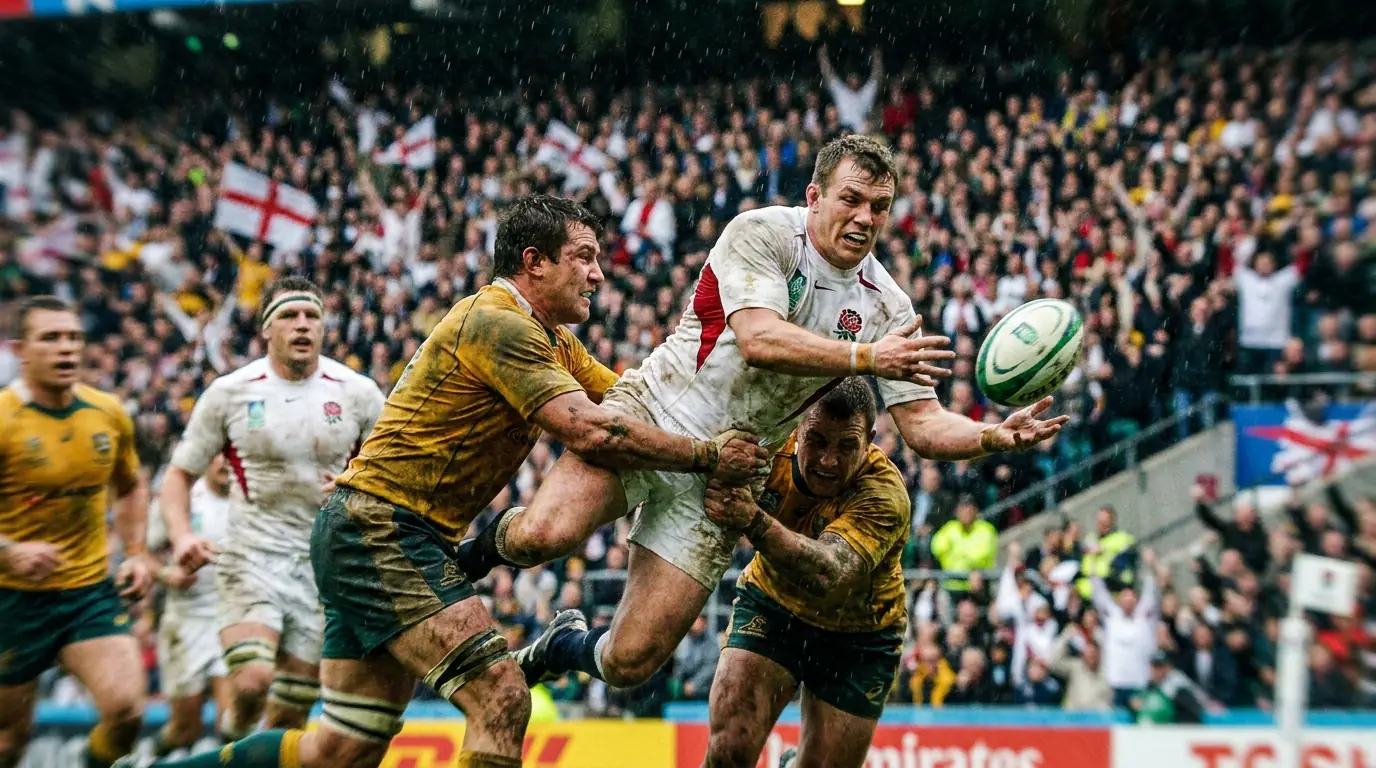
I approach knockout matches with one guiding principle: the handicap line for a World Cup quarter-final should be tighter than the equivalent fixture in a regular international window. Tournament pressure compresses performance. Favourites play more conservatively, underdogs raise their intensity, and the crowd becomes a factor in a way that it rarely is during a November Test. If the bookmaker has set the handicap line at -7.5 based on recent head-to-head data from the Autumn Internationals, but the context is a World Cup quarter-final in a hostile stadium, the underdog on +7.5 is almost certainly getting too many points.
Semi-finals and the final tighten further still. The average margin in a World Cup final over the past five tournaments has been inside eight points, and two of the last three finals were decided by three points or fewer. These are matches where the totals market — typically set around 40-45 points, lower than pool-stage fixtures — rewards the under, because defensive intensity in knockout rugby suppresses the free-flowing attack that produces high-scoring pool matches.
Host Nation Effect
Japan 2019 produced the most dramatic host-nation performance in World Cup history, with the Brave Blossoms reaching the quarter-finals and beating Ireland and Scotland along the way. France 2023 saw the hosts reach the quarter-finals as tournament favourites before their red-card exit. The pattern across multiple World Cups is consistent: the host nation outperforms their world ranking, partly because of home advantage (crowd, no travel, familiar conditions) and partly because host nations invest heavily in squad preparation during the four-year cycle leading up to the tournament.

The Women’s Rugby World Cup 2025 in England demonstrated this effect dramatically — 444,465 tickets were sold, tripling the figure from the previous tournament, and the final at Twickenham drew 81,885 spectators. That level of home support does not just lift the team emotionally; it creates a commercial ecosystem that funds better preparation, more warm-up matches, and deeper squad depth. When pricing the host nation in outright markets, the adjustment for home advantage in a World Cup context needs to be significantly larger than for a regular home Test match.
The practical application: host nations are rarely overpriced in the outright market because the bookmaker knows the public will back them heavily. The value is more likely to sit in match-by-match markets during the pool stage, where the host nation’s motivation to top their pool — and therefore choose a favourable quarter-final draw — produces performances that exceed their pre-tournament rating.
How early can I bet on the Rugby World Cup winner?
Outright markets typically open 12 to 18 months before the tournament. Prices at this stage reflect the broadest uncertainty, which is where the best pre-tournament value sits. As the tournament approaches, squad announcements, warm-up results, and injury news narrow the field and compress the prices on the leading contenders.
Does the host nation receive a significant odds advantage?
Host nations consistently outperform their world ranking at the Rugby World Cup. The combination of home crowd support, zero travel, familiar conditions, and four years of targeted preparation produces a measurable uplift. The bookmaker prices some of this in, but match-by-match markets during the pool stages often underestimate the host’s determination to top their group and secure a favourable knockout draw.
